Single genetic change may enable animal viruses to infect humans, study finds
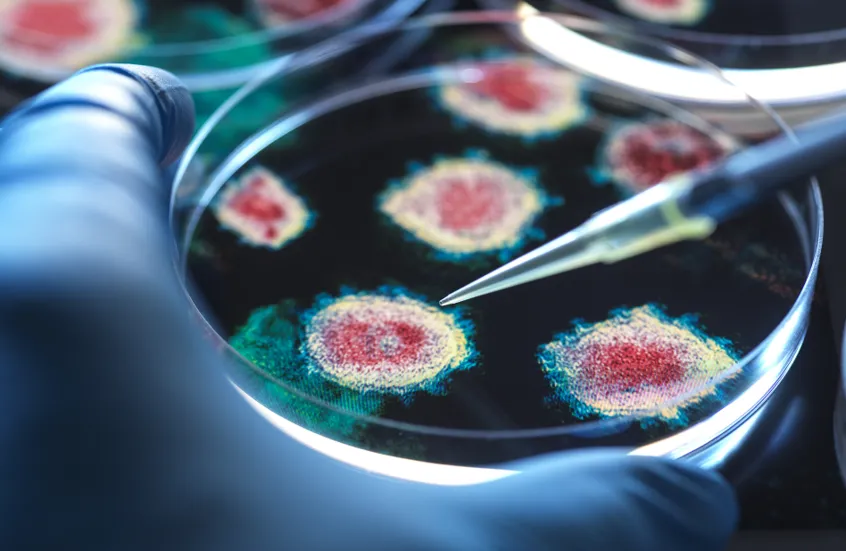
Researchers from the University of California, San Francisco, the Icahn School of Medicine at Mount Sinai, the Pasteur Institute, and the Fred Hutchinson Cancer Center have found that even minimal differences in viral genetic structure can significantly alter how coronaviruses interact with the immune systems of humans and bats.
The study focused on understanding how zoonotic spillover occurs, a process through which pathogens are transmitted from animals to humans. Many major pandemics are believed to originate this way, including COVID-19, which is linked to coronaviruses found in bats and closely related to SARS-CoV-2.
To investigate this mechanism, scientists compared SARS-CoV-2 with a related bat coronavirus known as RaTG13. The analysis examined how both viruses interact with immune-related proteins in lung cells from humans and bats.
Experiments were conducted using laboratory-grown lung cells derived from the greater horseshoe bat, allowing researchers to directly compare immune responses between bat and human cells.
The results identified a viral protein called OrfB9 as a key factor in host adaptation. Although the versions of this protein in both viruses are highly similar, they differ by just one amino acid out of approximately 100.
In human cells, the SARS-CoV-2 version of the protein helped suppress the immune system’s alarm signals, enabling more efficient viral replication. In contrast, the RaTG13 variant activated an immune protein in bat cells that helped limit viral spread.
Nevan J. Krogan, director of the Quantitative Biosciences Institute and lead author of the study, said that the difference between a virus confined to bats and one capable of infecting humans may come down to extremely small genetic changes.
He added that identifying such molecular differences could help scientists predict which viruses have the potential to cross into humans, offering an early warning tool for future pandemic risks.