New low-cost additivei mproves fire resistance in building materials
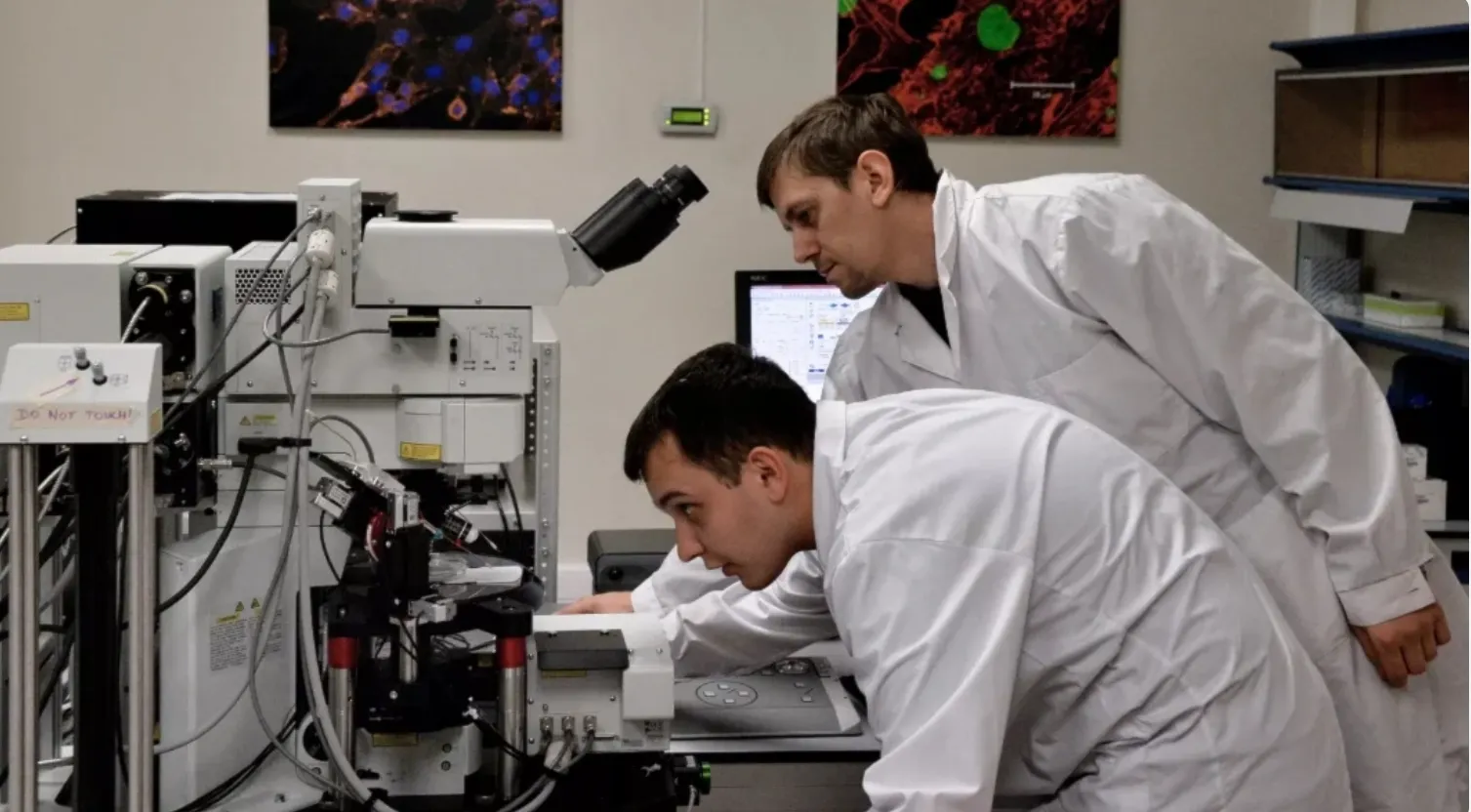
Researchers at Kabardino-Balkarian State University (KBSU) have announced the development of a novel flame-retardant additive designed to reduce the fire risk of polyvinyl chloride (PVC) materials and polymer-insulated electrical wires.
PVC is widely used in construction and everyday products due to its durability and resistance to chemicals and moisture, appearing in data-x-items such as plumbing pipes, vinyl wallpapers, tents, truck covers, and cable insulation. However, its main drawback remains its high flammability, making improved fire resistance an important safety and environmental priority.
The research team tested a mixture of three widely available industrial chemicals—melamine, ammonium polyphosphate, and pentaerythritol—as an intumescent flame-retardant system for PVC. These components work together to form a protective char layer that limits oxygen exposure and slows flame spread.
According to the study, the optimal formulation ratio (2:3:2 for ammonium polyphosphate, melamine, and pentaerythritol) produced the most effective fire-protective char layer.
During combustion, the additive mainly releases nitrogen and ammonia, both non-flammable gases that help suppress further burning.
In addition to improving fire resistance, the additive could also reduce production costs, potentially lowering the price of PVC-based products such as insulated electrical wires and cables.
Researchers highlight several potential applications where enhanced fire safety is critical, including public buildings, transformer rooms, cable routes, tents, protective coverings, wall cladding, and water pipelines.
Since the components are already widely produced at industrial scale, the formulation could be easily integrated into existing manufacturing processes, improving accessibility of fire-resistant PVC materials.
However, before commercial deployment, further testing is required to evaluate long-term stability, mechanical performance, regulatory compliance, and behavior under real fire conditions. Environmental and health assessments under full combustion scenarios are also necessary.
Professor Timur Borukaev, one of the study’s authors, noted that unlike many existing flame retardants, this formulation primarily releases nitrogen and ammonia when heated, forming a stable protective char layer that restricts oxygen flow to the flame.
He added that the approach could be particularly effective in reducing the cost of fire-resistant electrical wiring and cables.
If future studies confirm its safety and real-world effectiveness, the additive could make widely used construction materials both safer and more affordable.