ACHEIVEMENTS`s specials

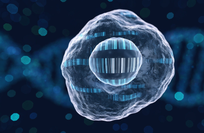
Multimodal “barcode” enables detection of senescent cells
(Tehran Ana)- Scientists have developed a new “barcode” that can distinguish senescent cells without damaging them.

Weak grip strength and abdominal fat tied to higher mortality risk
(Tehran Ana)- People with both excess abdominal fat and relatively weak grip strength had a 97% higher risk of death during nearly seven years of follow-up.

Study reveals two distinct pathways in brain development
(Tehran Ana)- Researchers at Stanford University School of Medicine have found that the human brain developed from two distinct neural systems that evolved independently over hundreds of millions of years.

AI predicts fleet failures and fuel use
(Tehran Ana)- An AI-based system developed by Iranian engineers can analyze GPS and navigation data to monitor transport fleets, predict vehicle failures and estimate fuel consumption.
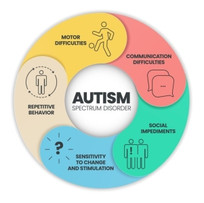
Royan Institute reports preliminary safety findings from cell therapy trial in autism
(Tehran Ana)- Preliminary findings from a Phase I clinical trial at Royan Institute suggest that intrathecal administration of umbilical cord-derived mesenchymal stromal cells was safe and well tolerated in five children with Level 2 autism spectrum disorder.
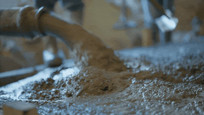
Fecal-sludge biochar boosts concrete strength by up to 42%
(Tehran Ana)- Researchers in India have found that biochar made from human fecal sludge can improve concrete strength by up to 42%, potentially offering a way to reduce cement use while recycling waste.
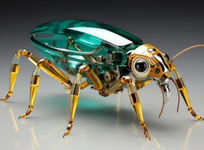
Robo-Roaches could deliver medicine to disaster victims
(Tehran Ana)- Australian researchers have developed remotely controlled cockroaches that could one day deliver emergency medication to people trapped beneath rubble or in hard-to-reach areas.
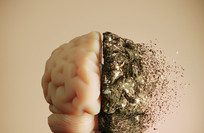
Alzheimer’s triggers may originate outside the brain
(Tehran Ana)- A new study in mice suggests that immune cells outside the brain may help trigger the processes that drive Alzheimer’s-related brain damage.
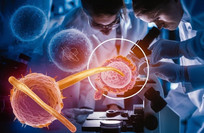
Scientists develop ‘smart’ molecules to target cancer cells
(Tehran Ana)- Scientists at Tomsk Polytechnic University have developed a new type of experimental prodrug designed to combat malignant tumors.

Technology-to-Market