New discovery may prevent the recurrence of multiple cancer types
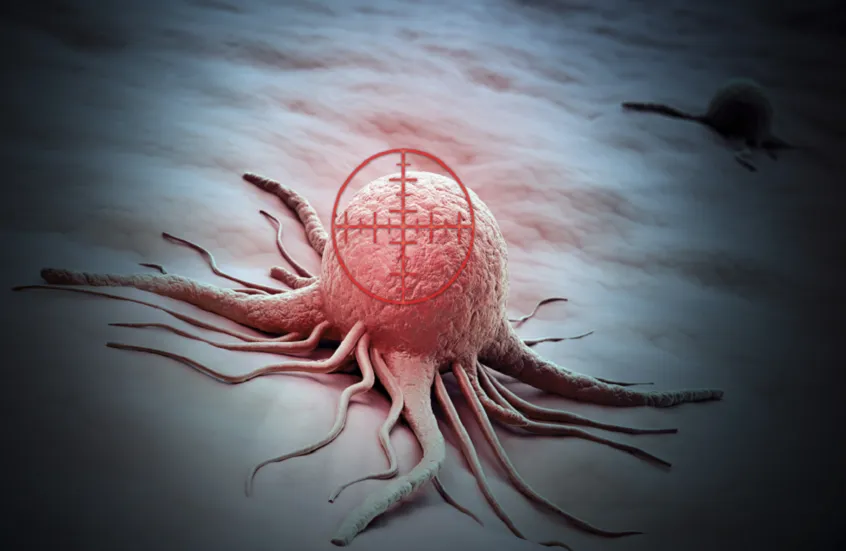
A research team from Chiba University has uncovered a new weakness in drug-resistant cancer cells that remain alive after treatment and are often responsible for tumor relapse.
According to the researchers, several types of cancer—including lung, pancreatic, and colorectal cancers—harbor mutations in the KRAS gene, one of the most common genetic alterations found in tumors.
Although KRAS inhibitors can block the mutated protein and slow tumor growth, a small population of highly resistant cells often survives treatment. These cells are known as drug-tolerant persister cells.
The study found that, rather than dying during therapy, these cells enter a temporary dormant state. While they stop dividing, they remain viable and can resume growth once treatment is discontinued.
To survive, the resistant cells reprogram their metabolism and become highly dependent on the amino acid glutamine, which serves as both an energy source and a building block for cellular components.
In addition, the researchers discovered that these cells actively rely on lysosomes—intracellular structures responsible for recycling cellular materials and helping cells adapt to stress. When scientists simultaneously inhibited glutamine metabolism and lysosomal function alongside KRAS-targeted therapy, the number of drug-resistant cancer cells declined significantly.
The researchers believe that this strategy could lead to the development of a new combination treatment approach. Under this model, KRAS inhibitors would eliminate the majority of tumor cells, while additional therapies would target and eradicate the remaining resistant cells that typically drive cancer recurrence.