Hidden bone disorder may affect four in ten adults globally
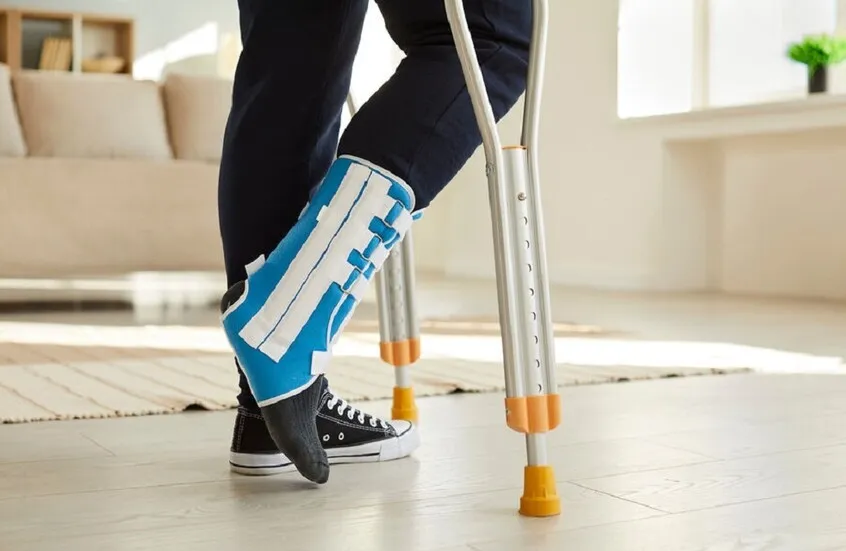
Low bone density is emerging as a major public health concern, affecting an estimated 40% of adults globally and often remaining undetected until a fracture occurs or a specialized bone density scan is performed.
In an article published by The Conversation, Hasmik Jasmine Samvelian, Senior Lecturer in Biomedical Science at Anglia Ruskin University in the United Kingdom, described low bone density—characterized by reduced mineral content in bones—as a critical warning sign requiring prompt intervention rather than merely a mild precursor to osteoporosis.
Samvelian explained that bone is a living tissue that continuously undergoes remodeling through two opposing processes: bone resorption and bone formation. These processes remain balanced until the mid-twenties, when peak bone mass is typically reached. Thereafter, bone loss gradually begins to exceed bone formation.
The decline becomes particularly pronounced in women during menopause due to reduced estrogen levels. According to available statistics, one in every two women over the age of 50 will experience an osteoporosis-related fracture during their lifetime.
The expert noted that several lifestyle factors can further increase the risk of bone loss, including smoking, excessive alcohol consumption, physical inactivity, and inadequate intake of calcium and vitamin D.
Low bone density is diagnosed using dual-energy X-ray absorptiometry (DXA), an advanced imaging technique that assesses bone mineral density. DXA results are expressed as a T-score, with values between -1.0 and -2.5 indicating low bone density, while scores below -2.5 are diagnostic of osteoporosis.
Samvelian emphasized that progression from low bone density to osteoporosis is not inevitable, highlighting the importance of early diagnosis and intervention.
She noted that weight-bearing exercises such as walking, running, dancing, and strength training can stimulate bone formation, improve balance, and reduce the risk of falls. Traditional Chinese Tai Chi was also recommended for enhancing muscle strength and coordination.
Maintaining adequate dietary intake of calcium and vitamin D is essential, while antiresorptive medications may be prescribed in more severe cases, particularly for individuals at high risk of fractures or those who have already sustained osteoporotic fractures.
"Maintaining bone health is the result of years of cumulative effects from nutrition, physical activity, and hormonal changes throughout life," Samvelian said, stressing that low bone density should be viewed as "a warning sign and an opportunity for intervention" rather than a secondary condition.
Previous studies have also suggested that adopting simple healthy lifestyle measures may reduce the risk of premature death by as much as 13%, further highlighting the importance of prevention and early screening for bone diseases.