Diet rich in fruits and vegetables may lower stomach cancer risk, study finds
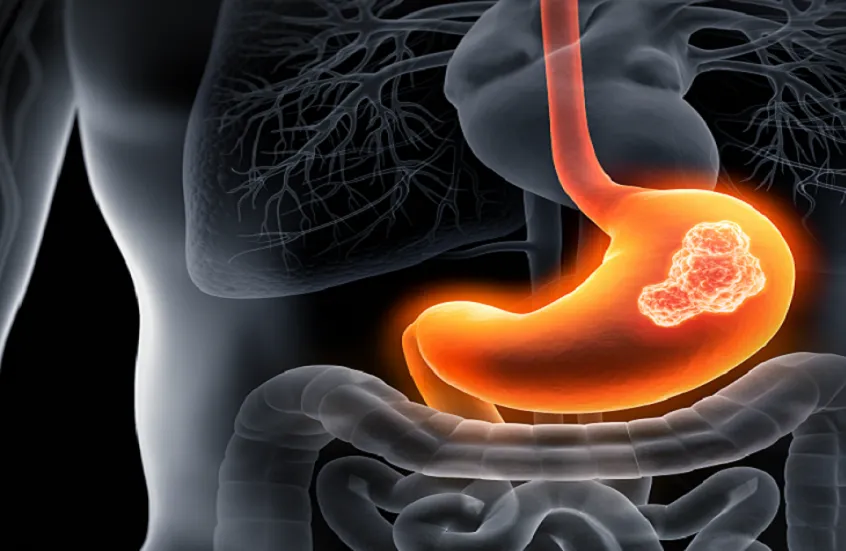
Researchers led by Professor Park Sung Soo of Korea University's Anam Hospital have identified dietary patterns that may help reduce the risk of stomach cancer, highlighting the protective role of fresh produce and seafood.
In an interview with Russia's RIA Novosti news agency, Park said the research team conducted an extensive analysis in 2025, reviewing 507 scientific studies from the PubMed, Embase, and Cochrane databases. The researchers assessed 139 potential risk and protective factors associated with stomach cancer, including diet, lifestyle, infections, medications, environmental exposures, and genetic factors.
The analysis found that regular consumption of fresh fruits and vegetables was associated with a 20% to 40% reduction in stomach cancer risk. In addition, incorporating fish and seafood into the diet was linked to an additional risk reduction of between 10% and 30%.
According to the researchers, the optimal daily intake of fruits and vegetables exceeds 400 grams, including 250 to 300 grams of fruit, preferably consumed whole rather than as juice. The team also advised limiting the intake of processed and pickled foods.
The study further identified several dietary factors associated with an increased risk of stomach cancer, including refined grains, red meat, processed meat products, and high-fat dairy products. Researchers recommend reducing the consumption of these foods as part of a broader cancer prevention strategy.
The findings add to growing evidence that dietary choices play a crucial role in cancer prevention and could help inform future public health recommendations aimed at reducing the global burden of stomach cancer.