New Iranian stem cell therapy receives regulatory approval
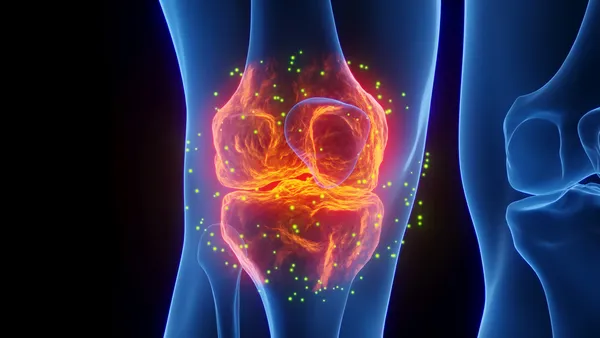
Iran's Food and Drug Administration (FDA) has granted approval for clinical use of WhartoCell, the country's first locally developed stem cell therapy derived from umbilical cord tissue for the treatment of osteoarthritis.
The announcement was made by Mehdi Lotfipanah, Director of Public Relations and International Affairs at Royan Institute, who said the knowledge-based therapy was developed using indigenous technology and is designed to reduce inflammation and support cartilage regeneration in patients suffering from osteoarthritis.
Lotfipanah stressed that WhartoCell should be introduced through a rigorous scientific and clinical framework to ensure broader awareness among healthcare professionals and researchers. He noted that the therapy, developed using advanced biotechnology and regenerative medicine techniques, aims to improve joint function and enhance patients' quality of life.
According to Royan Institute, one of WhartoCell's key advantages is that it has been developed entirely through domestic scientific expertise and infrastructure. The achievement is expected to reduce reliance on imported therapies while improving patient access to advanced treatments.
Describing the approval as a milestone for the country's biomedical sector, Lotfipanah said the authorization reflects the growing maturity of Iran's advanced therapeutic technologies.
WhartoCell is an allogeneic cell therapy produced from mesenchymal stem cells isolated from Wharton's jelly in neonatal umbilical cords. These cells possess regenerative, anti-inflammatory and immunomodulatory properties that may help repair damaged tissues.
The therapy is manufactured under strict Good Manufacturing Practice (GMP) standards, with comprehensive quality and safety monitoring throughout the production process.
While initially approved for osteoarthritis, researchers say the product could have broader applications across regenerative medicine. Potential uses include cartilage repair, tendon and ligament healing, bone fracture recovery, treatment of avascular necrosis (AVN), and management of inflammatory joint disorders.
Lotfipanah highlighted the therapy's high compatibility profile, noting that its immunomodulatory characteristics eliminate the need for HLA matching between donor and recipient, simplifying treatment procedures and accelerating patient access.
As an off-the-shelf therapeutic product, WhartoCell is currently available to healthcare centers and Royan Institute's Preventive Medicine and Health Promotion Center, reducing delays associated with patient-specific cell preparation.
The institute also emphasized the importance of evidence-based scientific communication to build confidence among physicians and healthcare providers regarding the clinical applications of cell-based therapies.
To promote informed clinical use, Royan Institute plans to organize scientific meetings, specialized workshops, educational programs, and outreach initiatives through medical congresses, including the upcoming 27th International Royan Congress.