نقش بانوان در جنگ رمضان ۱۴۴۷
به گزارش خبرگزاری دکتر اکرم السادات میرممتاز در یادداشتی نوشت: در این برهه تاریخی نیز الحمدلله و المنه نقش آفرینی مطلوبی داشتند.
بانوان ایرانی هر کدام در این جنگ پای لانچری نشستند
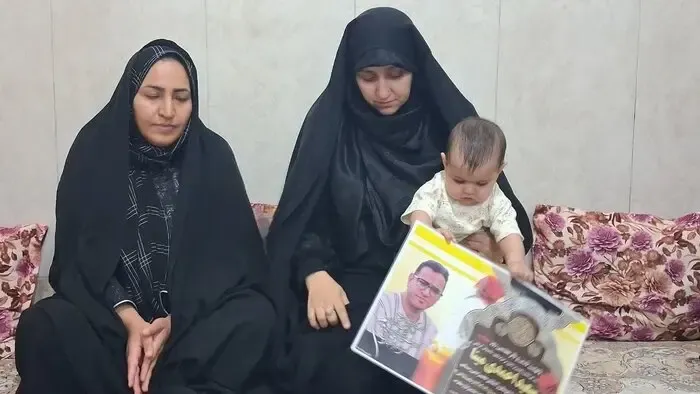
بانویی با دوخت پرچم جهت اجتماعات شبانه مردمی، بانویی با تهیه وعدههای غذایی برای حافظان امنیت، بانویی با راه اندازی موکبهای شبانه، بانویی با راهی کردن همسر و فرزندان در اجتماعات شبانه مردمی، بانویی با شرکت در مراسم بیعت با سومین رهبر انقلاب اسلامی، بانویی دیگر با تجدید بیعت با شهداء و شرکت در مراسم تشییع شهداء، بانویی دیگر با همدردی با مادران و خانواده شهداء، بانویی با امکان اسکان بستگانی که منازل آنها دچار آسیب شد، بانویی دیگر با قلم خود با نوشتن مقاله یا سرودن شعر، بانویی دیگر با مشق عشق به فرزندان و بیان اوضاع و احوال جاری برای کودکان با زبانه کودکانه، بانویی با حضور در مناطق جنگی و مداوای بیماران و امداد رسانی به موقع، بانویی دیگر با حضور در سنگر علم و دانش و آموزش به آینده سازان این مرز و بوم، بانویی دیگر با تولید محتواهای تبیینی، آری همه دست به دست هم دادند تا بتوانند مثل همیشه جایگاه رفیع بانوان ایرانی محفوظ بماند، و در تاریخ ایران در عنوان جنگ رمضان۱۴۴۷ خواهند نوشت بانویی ۸ عضو خانواده خود را در راه انقلاب هدیه کرد و در وداع با شهدای خود با صلابت و اقتدار بدون هیچ غم و اندوهی گفت من جا ماندم، و مادران میناب که همه با صلابت از فرزندانشان گفتند، مادرانی که شیر خواران خود را در سرمای شبانه در دفاع از وطن همراه خود آوردند و با حضورشان به شیر خواران و کودکان مشق عشق و دفاع از وطن آموختند.
تاریخ حتما از چنین بانوانی تقدیر خواهد کرد.
رحمت و برکات ویژه خدا بر چنین بانوانی.
عضو هیئت علمی دانشگاه آزاد اسلامی واحد اصفهان
The Role of Women in the War of Ramadan ۱۴۴۷
Throughout Iran’s long and distinguished history, women have consistently stepped forward with strength and resolve whenever their country has needed them. In this chapter of history as well, by the grace of God, Iranian women once again played a meaningful and honorable role.
During this war, every woman contributed in her own way. One stitched flags for the people’s nightly gatherings. Another prepared meals for those responsible for safeguarding public security. Some organized night-time service stations for the community. Others encouraged and sent their husbands and children to participate in public gatherings. Some attended ceremonies of allegiance to the third leader of the Islamic Revolution. Others renewed their commitment to the martyrs by attending funeral processions and memorials. Some offered comfort to grieving mothers and families of the fallen. Others opened their homes to relatives whose houses had been damaged.
Many women contributed with their words—writing articles or composing poetry. Some taught their children the meaning of love and devotion, explaining current events to them in language a child could understand. Others served in affected areas, caring for the wounded and providing timely aid. Some remained on the frontlines of education, teaching the young people who will shape the future of this land. Others worked to produce educational and explanatory content for the public.
Together, these efforts ensured that the honored place of Iranian women remained as strong as ever.
History will record that in what came to be known as the War of Ramadan ۱۴۴۷, one woman offered eight members of her family in the cause of the Revolution. At the farewell for her fallen loved ones, she stood with remarkable composure and strength and said simply, “I am the one left behind. ”
It will also remember the mothers of Minab, who spoke of their children with dignity and steadfastness—mothers who brought even their nursing infants with them into the cold of the night in defense of their homeland, teaching through their presence the meaning of love and devotion to one’s country.
History will surely honor such women.
May God’s special mercy and blessings be upon them.
Akram-Sadat Mirmomtaz
Faculty Member, Islamic Azad University, Isfahan Branch
انتهای پیام/