European Leaders Weigh NATO Future Amid Concerns Over Declining US Leadership, NPR Reports
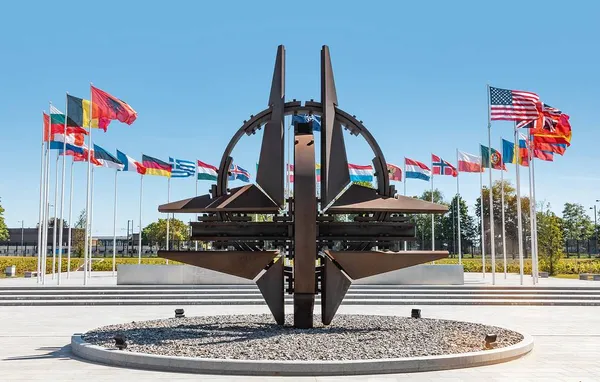
According to NPR, escalating tensions between Washington and its European NATO allies—particularly over issues linked to the West Asia conflict—combined with a gradual reduction in US military deployment, are pushing European states to rethink NATO’s long-term structure and leadership.
The report highlights that disputes ranging from support for potential military action against Iran to remarks attributed to the US president about taking control of Greenland and Canada have contributed to what officials describe as a breakdown of trust within the alliance.
Former US ambassador to NATO under President Barack Obama, Ivo Daalder, told NPR that “something fundamental has broken,” questioning whether the United States would still reliably defend its NATO allies.
The broadcaster noted that these concerns are already influencing defense planning, military spending, procurement strategies, and broader discussions about NATO’s future structure.
This week, the Pentagon announced plans to withdraw 5,000 troops from Germany—around 14% of US forces stationed there. While the US Defense Department described the move as part of a routine force review, European officials reportedly view it as a sign of Washington’s diminishing commitment to European security.
In response, Germany is said to be preparing a significant expansion of its military capabilities, with plans to build the strongest standing army in Europe by the mid-2030s, potentially reaching around 460,000 troops.
Despite the US remaining formally within NATO, analysts cited in the report suggest that de facto leadership of the alliance could gradually shift toward European powers.
However, experts caution that Europe would likely need five to ten years to develop the strategic capabilities currently provided by the United States—such as long-range air power, intelligence, and strategic transport—leaving a potential “capability gap” during the transition period.