Iran, Iraq Discuss Border Security Cooperation Following Escalation with US and Israel
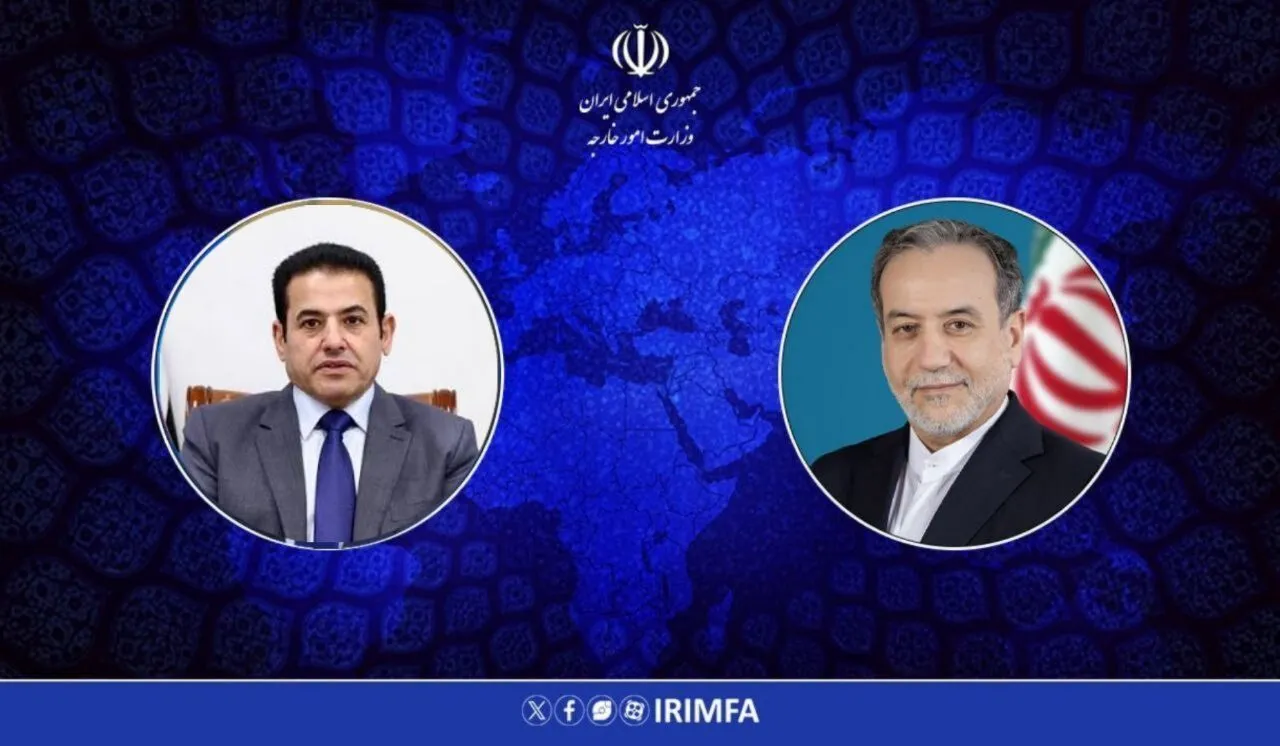
According to official accounts, the discussions took place during a phone call in which al-Araji conveyed condolences over the killing of the Leader of the Islamic Revolution, Ayatollah Seyyed Ali Khamenei, along with several senior Iranian military commanders and civilians, who were killed during what Tehran describes as joint US-Israeli military aggression.
Araghchi, in turn, briefed the Iraqi official on what he characterized as crimes committed against the Iranian nation, stressing the need for heightened vigilance and coordination to prevent instability along the two countries’ common frontier.
The latest escalation follows a joint US-Israeli military strike on February 28, coming eight months after a previous attack in June last year. Both incidents occurred while Tehran was engaged in diplomatic negotiations with Washington regarding its nuclear program, which Iran maintains is peaceful.
Ayatollah Khamenei was killed in an airstrike targeting his residence and office early Saturday, an attack Iranian officials have described as an act of terrorism.
Political analysts say the developments signal Washington’s increasing reliance on military pressure rather than diplomatic engagement. In response, Iran announced it had carried out what it called measured and proportionate self-defense strikes on Israeli targets and US bases in the region, warning that any further attacks would prompt a more forceful retaliation.