Pentagon Leadership Crisis: Is George’s Ouster Tied to an Internal Power Struggle?
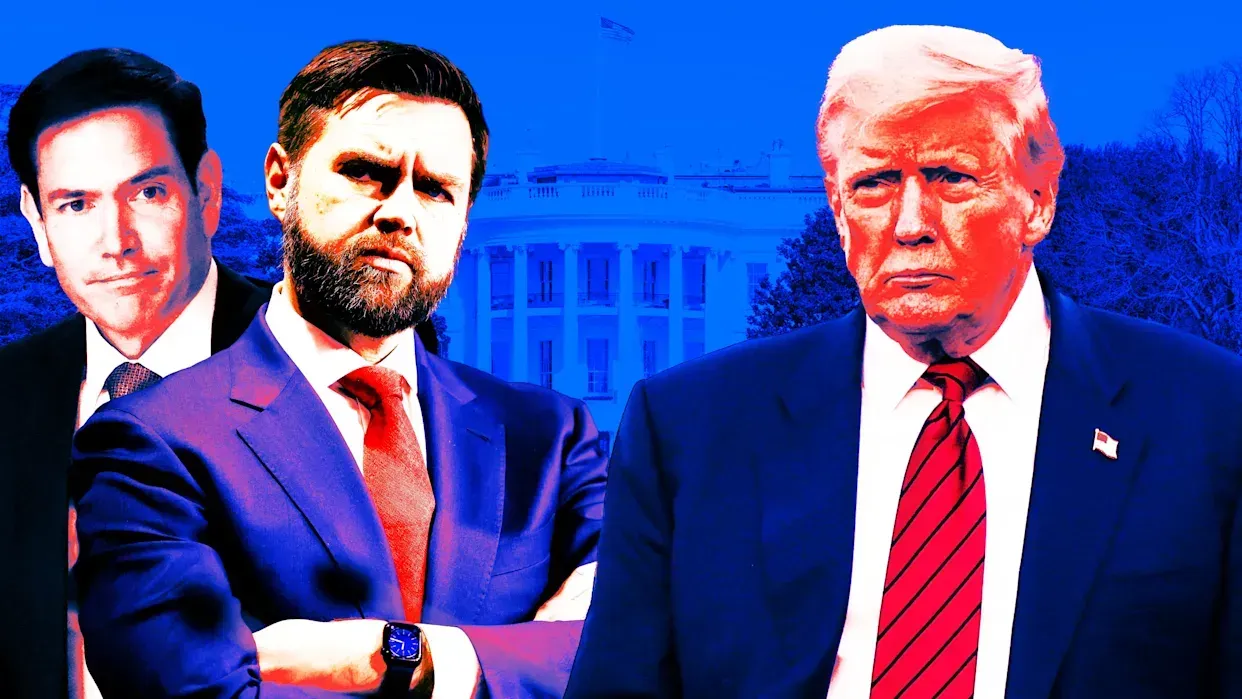
According to ANA News Agency, the recent U.S. and Israeli strikes on targets inside Iran—widely criticized as lacking clear strategic logic—reflect mounting pressure and psychological strain stemming from heavy losses that Washington appears increasingly unable to absorb.
While officials have framed the leadership change as an effort to align military command with the White House’s broader vision, field reports and leaked information indicate that the primary motive may be to obscure the real number of American casualties.
A closer examination of available data highlights the extent of this alleged systemic concealment. As of April 2, 2026, the Pentagon reported 13 fatalities and 348 injured personnel. However, independent investigations, including reporting by The Intercept, suggest significantly higher figures—at least 15 killed and more than 520 wounded—while other U.S. sources have also questioned the transparency of official data.
The discrepancy is widely attributed to policies by U.S. Central Command (CENTCOM), including delayed reporting and the deliberate omission of newly reported injuries. In one notable case, more than 200 American sailors who reportedly suffered suffocation and serious injuries following a fire aboard the USS Gerald R. Ford were excluded entirely from official statistics.
General George, who had reportedly pushed for greater transparency and improved protective equipment for troops, is believed to have been removed amid tensions with the administration’s handling of casualty disclosures.
Meanwhile, Defense Secretary Pete Hegseth’s response to media coverage has underscored growing disarray within the administration. Dismissing reports of higher casualty figures as “fake news,” he accused the media of attempting to undermine the president—remarks that sparked backlash from veterans and members of Congress.
Analysts suggest President Donald Trump is acutely aware that public opinion at home may turn sharply against him once the conflict subsides. As a result, he appears to be prolonging the war in hopes of securing a decisive breakthrough that could offset mounting political costs.
However, observers warn that Trump may face a political trajectory even more severe than that of President Lyndon B. Johnson during the Vietnam War. Recent polling indicates his approval ratings have fallen below those recorded during that period.
Beyond the military dimension, pressure is also building within the Republican Party’s traditional voter base. Rural communities and farming families—who have historically contributed heavily to military enlistment—are expressing growing frustration with White House policies.
Many are questioning why sufficient domestic economic measures were not taken prior to entering the conflict, as they now face soaring fuel prices and shortages of essential agricultural inputs such as fertilizers.
Within this key constituency, there is an emerging perception that U.S. leadership has entered the conflict without adequate consideration for the human and economic costs, fueling resentment among working-class voters.
Perhaps the most troubling aspect for the U.S. military has been its apparent inability to adequately protect deployed forces. Credible reports suggest that troops in the region have lacked even basic defensive systems, forcing some to abandon military bases and seek refuge in civilian locations due to fears of precision strikes.
Joseph Votel, former CENTCOM commander, has described the situation as a “complete failure” in force protection. This has also sparked debate within the United States over disparities in defensive capabilities compared to Israeli forces.
As Trump signals a potential escalation in the coming weeks, analysts warn that continued military engagement is unlikely to restore public trust. Instead, it may further expose the true scale of casualties and deepen political and economic challenges for the United States and its allies.
Unofficial reports indicate that dozens of fatalities and hundreds of injuries remain undisclosed, with some accounts suggesting delays in reporting by CENTCOM. Eyewitness claims circulating on social media described large numbers of wounded soldiers being transported to hospitals—reports that were briefly discussed in mainstream media before being denied and removed from online platforms.
Politically, Trump now finds himself surrounded by overlapping crises. The continuation of this trend could lead to significant losses in upcoming congressional elections and a sharp decline in support within his own party.
At the same time, the lingering shadow of the Jeffrey Epstein case, along with newly surfaced documents and images, has intensified concerns about potential legal challenges and even the possibility of renewed impeachment efforts.
These developments have also effectively ended Trump’s long-standing aspirations for a Nobel Peace Prize, highlighting the failure of his attempts to influence international perceptions.
Beyond political consequences, the deliberate targeting of civilian infrastructure in Iran raises serious concerns under international law and could be classified as a war crime. Analysts suggest that, rather than being remembered as global leaders, those responsible may ultimately face scrutiny in international courts.