New brain surgery techniques offer hope for treatment-resistant OCD and depression
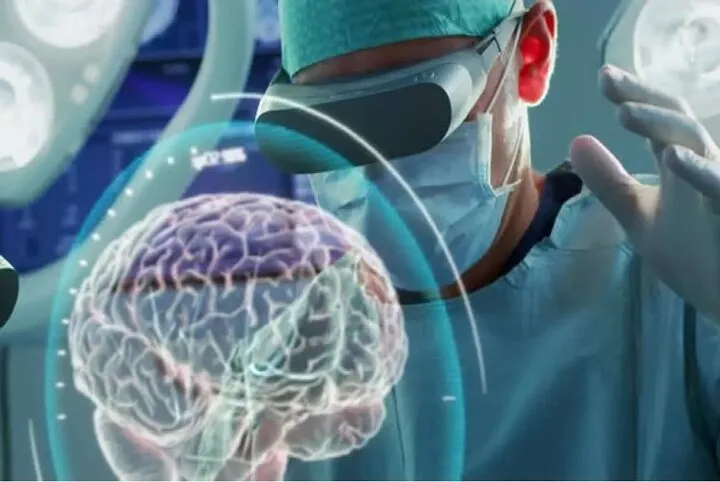
Psychiatric disorders such as OCD and major depressive disorder remain severe and disabling in some patients despite conventional medication and psychotherapy. In such cases, more advanced treatment options may be considered, including functional neurosurgery, a specialized field that uses targeted, minimally invasive techniques to alter the activity of specific neural circuits.
Unlike conventional brain surgery, which is typically performed to remove tumors, drain bleeding or relieve pressure on brain tissue, functional neurosurgery focuses on modifying or regulating neural activity rather than removing a structural lesion.
The approach is based on the understanding that many neurological and psychiatric disorders are not confined to a single area of the brain but result from dysfunction within interconnected neural circuits. Identifying these circuits and determining the precise location and type of intervention are therefore critical.
One of the best-known techniques in this field is deep brain stimulation (DBS). In DBS, very thin electrodes are implanted in specific areas of the brain and deliver controlled electrical impulses to modulate neural activity. The technique has an established role in treating certain movement disorders, particularly Parkinson’s disease and essential tremor, and is also being investigated for other conditions based on patient characteristics and available scientific evidence.
Other applications of functional neurosurgery include surgical procedures for some cases of drug-resistant epilepsy, movement disorders, chronic pain and certain neurological and psychiatric conditions. Careful patient selection is essential, and candidates typically undergo detailed clinical assessments, brain imaging and, in some cases, electrophysiological and cognitive evaluations before surgery.
Precise targeting is particularly important because brain structures are located very close to one another, and damage to adjacent areas can produce unwanted effects. Advanced imaging, functional brain mapping, surgical navigation systems and, in some cases, intraoperative recording of neuronal activity can help surgeons identify the treatment target more accurately.
Hamayoun Amini, a faculty member of the Department of Psychiatry at Roozbeh Hospital, said modern functional neurosurgical techniques could help reduce symptom severity in some patients with treatment-resistant psychiatric disorders when used alongside medication and psychotherapy.
He said that over the past two to three decades, new techniques in functional neurosurgery have been introduced to treat a range of neurological diseases, while their application to certain psychiatric disorders has received increasing attention in recent years.
Describing the patient-evaluation process at Roozbeh Hospital, Amini said a specialized team assesses patients with treatment-resistant OCD or major depressive disorder. Patients may be referred from Roozbeh Hospital itself or from other medical centers. They are evaluated collectively by a specialized committee.
If the team determines that other treatment options, including combined pharmacological therapies or different forms of psychotherapy, remain available, those treatments are recommended first, he said.
“If the patient does not improve after receiving these treatments, or if the specialized team concludes that all available treatment options have been tried and no other therapeutic approach remains, procedures known as psychosurgery may be considered,” Amini said.
Following approval by the specialized team, patients are referred to one of the hospitals affiliated with Tehran University of Medical Sciences for the procedure. Imam Khomeini Hospital is currently among the centers providing these services, while other university hospitals also have the capacity to offer such interventions.
Amini emphasized that these emerging approaches could benefit some patients who have not responded adequately to existing treatments, but said their effectiveness should not be viewed in absolute terms.
“On average, the severity of the disorder decreases to some extent in most patients,” he said, noting that studies have reported varying levels of effectiveness, ranging from approximately 30–40 percent to 50–60 percent.
He said, approximately, these procedures may help a significant number of patients reduce the severity of their disorder by about half. However, he stressed that such interventions are not intended to replace medication or psychotherapy.
Surgery can instead serve as a complementary treatment, Amini said. In some cases, patients who were taking medication before surgery but had not responded adequately may subsequently derive greater benefit from the same medication. Psychotherapy can also continue to play a supportive role in the treatment process.
Addressing concerns about possible complications from brain surgery, Amini said the use of advanced techniques makes serious complications relatively uncommon, with complications such as infection and bleeding occurring rarely.
He noted that the term brain surgery may lead some people to imagine extensive opening of the brain, major bleeding or a high risk of severe tissue damage. In functional neurosurgery, however, such extensive interventions are generally not performed.
“These procedures typically involve creating small openings in the skull and using highly specialized, delicate instruments,” Amini said. The instruments are designed to minimize damage to other areas of the brain and keep the intervention as limited as possible to the specific target.
He acknowledged that these procedures cannot be considered completely risk-free, but said the limited scope of the intervention and the techniques used mean that the likelihood of serious complications is relatively low.