Nomophobia: When the smartphone becomes an extension of the self
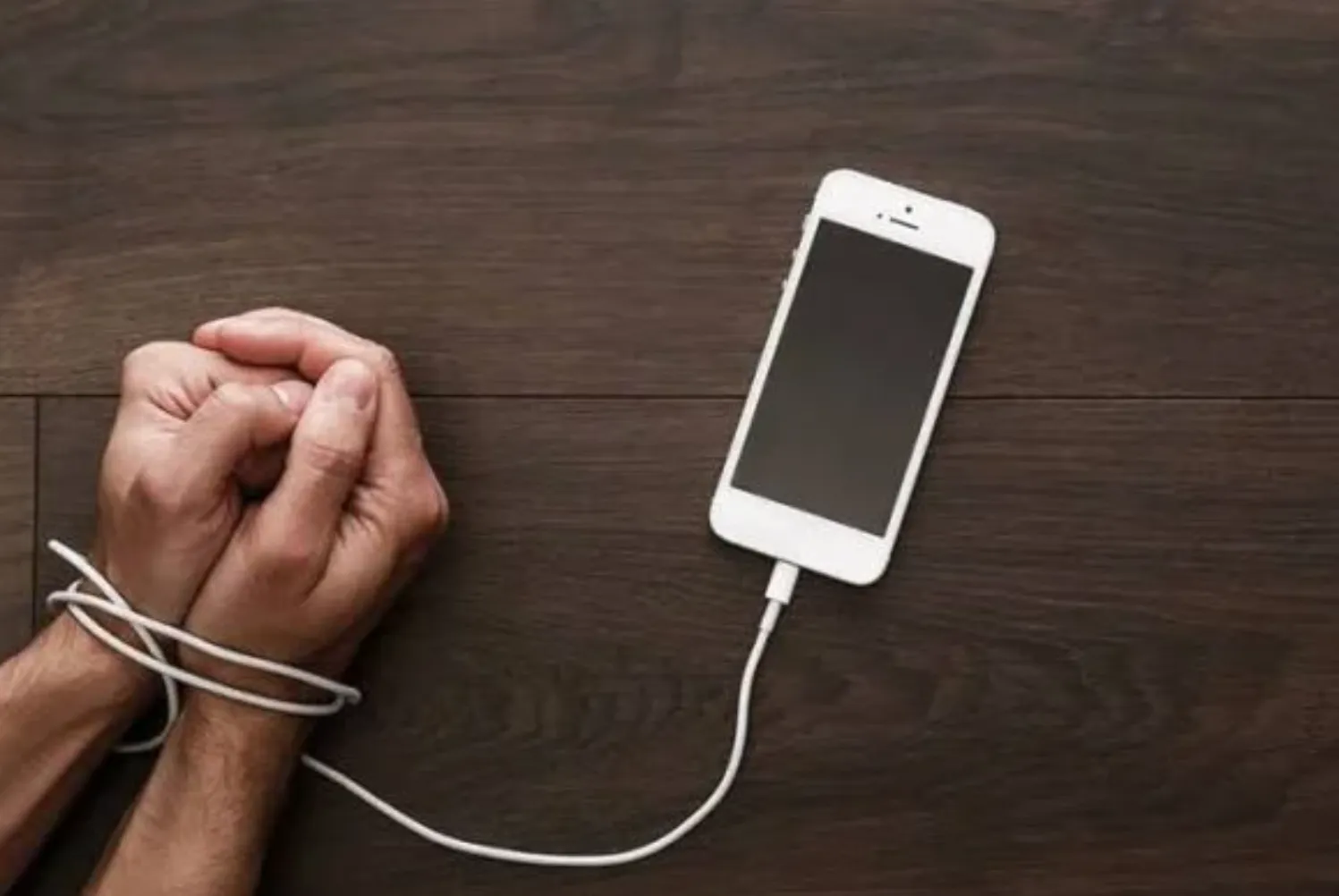
In contemporary life, the mobile phone is no longer merely a communication device or a tool for storing phone numbers and photographs. It has gradually evolved into a digital space that contains a significant part of a person’s private and public life.
Messages, photographs, memories, files, work-related information, bank accounts, appointments, maps, social media platforms and even small details that people once kept in their memory or in separate notebooks and photo albums are now stored on a single device.
This helps explain why some people experience anxiety when they lose their phone or are separated from it — a phenomenon that goes beyond simply fearing the loss of a physical device.
The term “nomophobia” is used to describe the anxiety or distress associated with being unable to access or use a mobile phone. However, the term is not currently recognized as an independent psychiatric diagnosis in either the DSM-5 or ICD-11.
When the phone becomes a source of security
The significance of nomophobia lies partly in the fact that the smartphone now serves a psychological function in addition to its technological one. People do not carry their phones merely to communicate with others; they also carry the possibility of connecting with someone at any moment.
This possibility can provide a sense of control, accessibility and security. If they need someone, they can call them; if they need information, they can search for it; if they get lost, they can determine their location; and if they feel lonely, they can open a conversation or social media platform.
As a result, losing a phone can create a sudden sense of disconnection from a vast network of people, information and services.
Nomophobia in numbers
A comprehensive analytical study published in 2025, which brought together findings from 43 studies across 18 countries and included more than 36,000 participants, reported varying levels of nomophobia symptoms among the populations examined.
According to the classifications used by the assessment tools in those studies, 26% of participants were classified as having mild symptoms, 51% as having moderate symptoms and 21% as having severe symptoms.
These figures, however, require careful scientific interpretation. They reflect levels of symptoms measured using different research instruments and do not mean that these percentages represent people who received a clinical diagnosis of a psychiatric disorder.
Anxiety about being disconnected in an always-connected world
Fear of losing a phone also appears to be closely connected to modern patterns of communication.
Even waiting has become more difficult — waiting for a message, a phone call, a news update or a notification.
People have become accustomed to being connected almost continuously, making disconnection an exception that requires an explanation.
This habit can develop into repetitive behaviors, such as checking the phone without an actual need, making sure it is still in a pocket, worrying about the battery running low or feeling anxious when the internet connection is interrupted.
When nomophobia intersects with anxiety and insomnia
Studies have also identified associations between nomophobia and several psychological and behavioral factors, although this does not necessarily indicate a direct causal relationship.
A meta-analysis covering 16 studies found associations between nomophobia, anxiety, problematic smartphone use and symptoms of insomnia.
These findings describe statistical relationships between the phenomena and do not establish that losing a phone causes anxiety or that anxiety inevitably leads to nomophobia. Other shared factors may influence these relationships.
The smartphone as an external memory
Perhaps one of the most interesting dimensions of nomophobia is its connection with memory. People now store a large part of their personal history on a small device: photographs of people who have passed away, old messages, voice recordings, notes, dates, files, conversations and places they have visited or hope to visit.
For this reason, the fear associated with losing a phone may be related less to the device itself than to what it contains. A person may not necessarily think, “I have lost a device,” but may instead feel as though they have lost an archive of their life.
From communication to dependence
Another paradox emerges here. The smartphone was designed to bring people closer together, yet it may also make them more sensitive to the possibility of disconnection.
Access to others has become almost instantaneous, making the absence of that access more likely to trigger anxiety.
We live in a time when a person can send a message to someone on another continent within seconds, yet may experience genuine stress when the network goes down or the battery runs out.
The meaning of absence has changed. It no longer simply means that another person is far away; it can also mean that we have lost the ability to reach them.
When does smartphone use become a problem?
Nevertheless, interpreting nomophobia as a direct consequence of technology alone would be incomplete. A smartphone is a tool, and the way people use it is influenced by their work, relationships, daily needs and the environment in which they live.
Someone who relies on a phone for work is not in the same situation as someone who primarily uses it for entertainment. It is also understandable for a person to feel anxious about losing a device containing important financial, professional or personal information.
The behavior therefore does not necessarily become concerning simply because it exists. It becomes problematic when it goes beyond realistic needs and a person becomes unable to feel comfortable, concentrate or sleep without the phone.
The person who placed their memory on a screen
At its core, nomophobia reveals a transformation in the relationship between people and technology. The smartphone began as a tool we used. It then became a place where we stored our memories, and gradually evolved into a space we turn to for communication, information and a sense of security.
The more important question, therefore, may no longer be why we are afraid of losing our phones, but rather: What have we placed inside our phones that makes losing them feel like losing a part of our lives?
What remains when the phone goes dark?
Perhaps the deeper significance of nomophobia lies in the fact that people no longer simply carry their phones in their hands. They carry within them — through their phones — parts of their memories, relationships, work and social presence.
When a phone slips from someone’s hand, it may not be merely a device that has been lost. For a moment, it may raise a deeper question about how much we have come to depend on technology to remember, communicate, feel secure and maintain a sense of presence in the world.
From this perspective, studying nomophobia is as much a study of the contemporary relationship people have with themselves as it is a study of their relationship with their phones. The fear of losing a device may, in some cases, reflect a broader fear of losing connection with the world.