Gene therapy found to trigger self-repair in damaged adult retinas
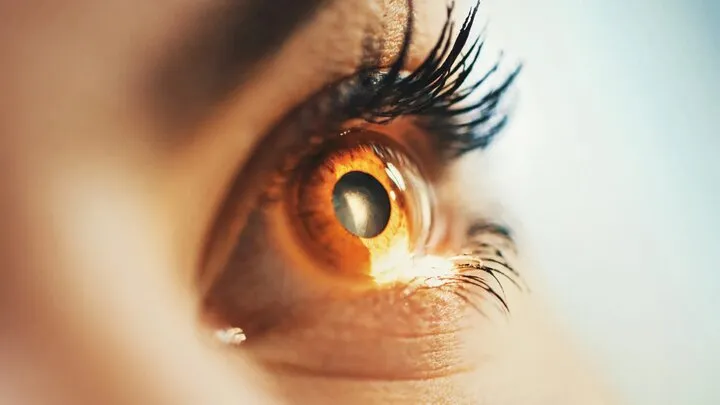
A rare inherited eye disorder caused by defective versions of the CaBP4 gene leads to impaired vision from childhood. The protein produced by this gene plays a critical role in chemical signaling within the retina.
The disorder also affects dogs, and researchers studying gene therapy in affected animals have uncovered findings that could have broader implications for treating retinal damage.
In a study published in Molecular Therapy Advances, researchers led by a team at Michigan State University in the United States reported that a single dose of gene therapy not only halted the progression of vision loss but also physically repaired damaged retinal connections.
The findings provide evidence that adult mammalian retinas retain a degree of structural plasticity, challenging the long-held view that damaged neural connections cannot be rebuilt after development.
Billie Beckwith-Cohen, a veterinary ophthalmologist at Michigan State University, said the researchers identified three independent structural changes demonstrating plasticity in the adult retina. “Not only were new components added, but pre-existing abnormalities were also repaired,” she said.
After identifying CaBP4 as the main cause of vision loss in a group of Whippet dogs, the researchers injected a harmless virus carrying a healthy copy of the gene into the animals’ retinas.
The treatment significantly improved the dogs’ vision, particularly under low-light conditions, when a lack of CaBP4 has the greatest impact on visual function.
In addition, treated areas of the retina showed less degeneration. The outer plexiform layer (OPL), which contains critical connections involved in vision, and the synaptic ribbons within photoreceptor cells expanded substantially.
When the CaBP4 gene does not function properly, the development of the OPL and synaptic ribbons is disrupted. The researchers compare the process to errors in an architectural blueprint.
Cohen explained that retinal gene mutations can be viewed as errors in a building plan that make the instructions difficult for the system to interpret, ultimately resulting in defective development and vision loss. The gene therapy, she said, effectively provides corrected instructions for the affected section.
The study is the result of a decade of research into these retinal disorders. Although it remains unclear whether the same approach will be effective in humans, the researchers believe the findings could potentially be translated to human medicine.
In their paper, the researchers reported that gene therapy not only restored retinal function but also promoted the development of an almost normal anatomical structure in the outer retinal network, including the OPL.
The repair process involved expansion of a retinal layer that had failed to develop normally and maturation of synaptic structures, including elongation of synaptic ribbons. These changes may help maintain a stable retinal neural network into adulthood.
Although CaBP4-related disorders are rare in both humans and dogs, the researchers believe the findings could contribute to the development of new approaches for repairing damaged neural networks and treating a broader range of neurological and retinal disorders.
Importantly, even after substantial disruption of eye development and damage to neural-cell connections, the researchers observed evidence of restored communication and circuit remodeling. The improvements remained stable during follow-up periods of up to three years.
The findings suggest that the adult retina may retain the ability to form new neural connections. This opens several avenues for further research, including investigating how calcium signaling, which is regulated by CaBP4, controls communication between retinal cells.
Recent studies have also produced promising advances in vision-restoration therapies, including approaches aimed at activating dormant cells in the eye and protecting photoreceptors. The new findings add another potential strategy to this emerging field.
The researchers concluded that their results demonstrated recovery of visual function in dogs with severe electrophysiological and synaptic abnormalities.
They also showed that the outer plexiform layer of the retina possesses substantial plasticity and that synaptic ribbons can continue to mature and elongate following gene augmentation therapy, even in adulthood.