Liposomal dietary supplement developed as adjunctive support for ADHD
Ashkan Ehsani, CEO of the knowledge-based company, said the newly launched product is a dietary supplement intended for children with ADHD and autism, as well as others who may require such supplements.
He noted that problems associated with ADHD and autism among children are increasing, adding that the trend is not limited to Iran and has also been observed globally. According to Ehsani, part of the increase may be associated with the effects and consequences of new technologies on people's lives.
Referring to the product's mechanism of action, Ehsani said the formulation, marketed under the name “Neurozum,” is designed to help regulate catecholamine and dopamine balance in children.
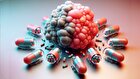
He explained that the product uses liposomal and super-liposomal technologies, which can improve the absorption of minerals and active ingredients used in therapeutic products. Depending on the substance, the increase in absorption can range from about 60–70 percent to two or three times in some cases.
According to Ehsani, the technology can also protect active ingredients from degradation caused by stomach acid and create more favorable conditions for their absorption in the intestine. He added that liposomal technology has been developed and established domestically in Iran.
Asked why the product is marketed as a dietary supplement rather than a drug, Ehsani said the main difference lies in the clinical-study requirements. Pharmaceutical drugs generally require three phases of clinical trials, a process that can involve very high costs.
“In many cases, pharmaceutical products are offered as supplements so that they can become more readily available to consumers without imposing the extremely high costs associated with the pharmaceutical development process,” he said, adding that such products are still manufactured in accordance with the relevant requirements and standards, but do not undergo the costly clinical-trial process required for drugs, which can run into billions of dollars.
Regarding the use of nanotechnology in the product, Ehsani said the term “nano” encompasses a broad range of technologies and that “liposomal” and “super-liposomal” are more precise terms for describing the formulation.
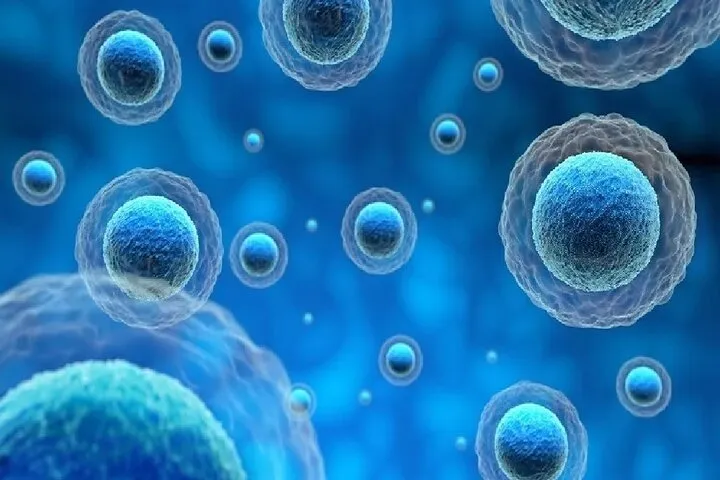
In liposomal technology, he explained, active ingredients are encapsulated within a phospholipid layer. This layer helps protect the ingredients from factors such as stomach acid and allows a higher concentration of the active compounds to be available at the site of absorption in the intestine.
Ehsani said the product has already entered the market and has been supplied to the pharmaceutical distribution network. Distribution has begun, and the company expects the supplement to become available in pharmacies starting next week.
He added that there is currently no similar foreign product available in Iran. While omega-3-containing syrups are commonly used, the new product combines omega-3 with L-tyrosine and other ingredients in a different formulation, making it, according to Ehsani, a distinctive product in the domestic market.
The company CEO said the supplement was developed as an adjunctive intervention for ADHD, particularly in light of growing concerns over attention difficulties and reduced concentration among children and young people.
He also emphasized the importance of addressing attention difficulties within the country's education system, saying that one of the major challenges is the decline in educational performance at the primary and secondary school levels, reflected in falling average grades despite increases in intelligence levels and the volume of information available to students.
Ehsani added that reduced attention and concentration appear to be among the factors that deserve greater consideration and called for greater attention to ADHD among children and young people.