Nano toothpaste developed to help restore tooth enamel
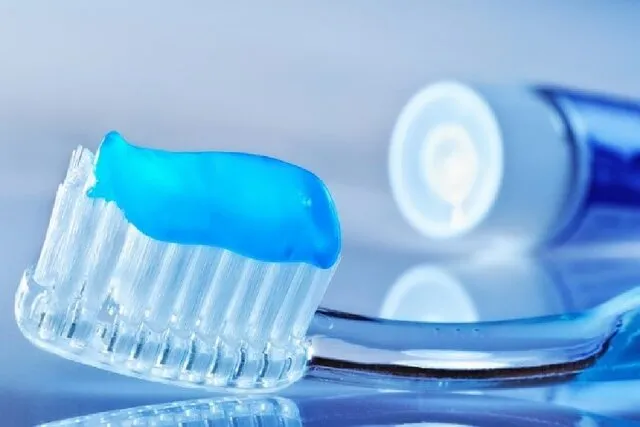
Nanotechnology has increasingly entered the fields of healthcare and personal care, with nano-hydroxyapatite toothpaste now among the products reaching the market. Developed by an Iranian company, the toothpaste uses nano-hydroxyapatite, a material whose composition and structure closely resemble the mineral component of teeth.
Dr. Farshad Akbarnejad, the company’s scientific director, said the toothpaste is one of the company’s technology-based personal care products. According to him, hydroxyapatite is an important component of the mineral structure of teeth, while using the material at the nanoscale may increase its ability to interact with the tooth surface.
According to the company, the extremely small size of nano-hydroxyapatite particles allows them to come into closer contact with microscopic damaged areas of tooth enamel. The material is intended to support the gradual repair of damaged enamel and improve its strength. The product has also been developed to help reduce tooth sensitivity and improve the appearance of teeth.
Although tooth enamel is the hardest tissue in the human body, it is not completely protected against acids and ongoing erosion. Certain foods and beverages, oral bacteria and environmental conditions can gradually cause minerals to be lost from the tooth surface. Restoring minerals to enamel, a process known as remineralization, is therefore an important area of preventive dental care.
Nano-hydroxyapatite has attracted attention in this field because its chemical composition is similar to that of the mineral component of teeth. Its use in oral-care products may allow more direct interaction with the tooth surface and help fill some microscopic areas of damage. The company has used this property in developing its nano-based toothpaste.
The company’s scientific director also referred to certificates and approvals obtained for the product, describing its development as part of the company’s work on advanced technologies. He said the technology was initially investigated in a research setting before moving toward commercial production.
From the company’s perspective, bringing such a product to market demonstrates how nanotechnology can move from research and development into consumer applications. The use of nanomaterials in oral-care products, when supported by appropriate formulations, scientific evidence and regulatory oversight, could contribute to the development of new preventive-care products.
Nanotechnology in Sunscreen Development
The company’s activities are not limited to oral health. Another area of its work involves developing raw materials and nanomaterials for skincare products, particularly sunscreens.
Akbarnejad said the company also produces nano-titanium dioxide, a material used in some sunscreen formulations as a physical filter for ultraviolet (UV) radiation.
Sunscreens are generally classified according to the type of filters they contain, including chemical and physical filters. Physical filters remain on the skin and reflect or scatter part of the radiation, while chemical filters absorb UV energy and prevent it from reaching deeper layers of the skin.
According to the scientific director, one important consideration with chemical sunscreens is applying them at appropriate intervals. He said improper use or failure to reapply sunscreen on time may reduce the effectiveness of the filters and potentially increase oxidative processes associated with solar radiation. He therefore emphasized the importance of regular sunscreen use for skin protection.
Skin pigmentation and dark spots are among the concerns addressed by the company. Akbarnejad noted that solar radiation can contribute to the development or worsening of pigmentation, adding that the mechanisms involved—particularly in conditions such as melasma during pregnancy—are complex and influenced by multiple factors.
Surface-Modified Nanoparticles for Lighter Sunscreen Formulations
Beyond the type of UV filter, sunscreen formulation also plays an important role. One common complaint about many physical sunscreens is the white residue they can leave on the skin. This effect can be particularly noticeable in formulations containing higher concentrations of mineral particles, potentially making the product less appealing to consumers.
To reduce this effect, the company has used surface-modified titanium dioxide nanoparticles. In this approach, the particle surfaces are modified with a silicon-based layer to alter their surface properties and improve their dispersion in water-based formulations.
The technology is particularly relevant to water-based formulations such as lightweight sunscreen fluids, which have become popular because of their thinner texture and faster absorption. However, incorporating hydrophobic mineral particles into such formulations can be challenging. Surface modification can improve the dispersion of nanoparticles in an aqueous medium, helping produce a more uniform formulation.
One product introduced in this area is a vitamin C sunscreen designed using water-based technology. According to the company, the product has a lightweight texture and is intended to minimize the whitening effect on the skin while providing a more comfortable application. The formulation also incorporates different types of UV filters.
The simultaneous development of nanomaterials for dental and skincare products illustrates the expanding applications of nanotechnology in the cosmetics and personal-care industry. At this scale, the size and surface properties of particles can alter their behavior within formulations and enable the development of products with different functional characteristics.
However, moving a nanomaterial from the laboratory to a consumer product requires more than simply producing the material. Formulation stability, safety, uniformity, efficacy, regulatory approval and the ability to manufacture the product on an industrial scale are all essential stages in transforming a technology into a commercial product.
According to Iran’s Nano Technology Innovation Council, the introduction of nano-hydroxyapatite toothpaste to the market can therefore be viewed as an example of nanotechnology moving from research and development toward consumer applications. Continued scientific evaluation and development could allow nanomaterials to play a greater role in the next generation of oral-care, skincare and other personal-care products.