Eco-friendly plant vaccine protects crops
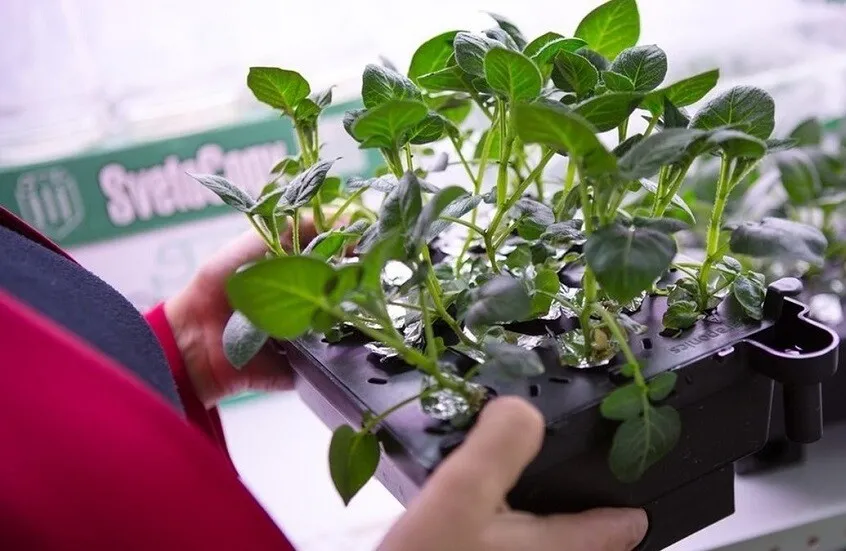
Biologists from Tomsk State University, working with Chinese colleagues, have developed an environmentally friendly method for protecting plants based on a “vaccine” made from natural sugars and plant hormones.
According to the researchers, the treatment stimulates plants’ natural immune systems, helping them withstand drought, frost, soil salinity and pathogens.
The university’s press office noted that agriculture is facing growing pressures as the rising global population increases demand for food, while climate change is worsening drought, soil salinity and the spread of plant diseases. The intensive use of conventional pesticides and fertilizers also contributes to soil degradation and water pollution and may affect the safety of agricultural products.
The scientists’ proposed alternative is a treatment that activates plants’ natural immune defenses using two natural components. The first is oligosaccharides, which attract and retain moisture, creating a protective water barrier around cells and helping prevent uncontrolled water crystallization during freezing.
The second component is brassinosteroids, a group of plant hormones that stimulate the production of protective proteins and antioxidants, which help neutralize toxic compounds.
Project leader Marina Yefimova said conventional agriculture relies on chemical fertilizers and pesticides to protect plants and increase yields, but this approach can deplete soil, pollute water and potentially compromise the safety of food products. The new method, she said, eliminates the need for harmful chemicals and instead activates plants’ natural immune systems through specially developed biological formulations.
Chinese scientists are among the world leaders in developing plant-based sugars used to protect crops. They have addressed the challenge of dissolving these compounds by producing short chains consisting of only 10 to 12 units, compared with around 400,000 units in their original form. The sugars can be dissolved in water and sprayed directly onto plants.
The researchers are currently testing the protective formulation on barley, rapeseed, wheat and potatoes under conditions of drought, salinity, temperature fluctuations and disease infection.
The scientists believe the technology could help produce more stable crop yields even under challenging climatic conditions, including those found in Siberia and Russia’s Far East.