From treatment to engineering: Has science crossed the line?
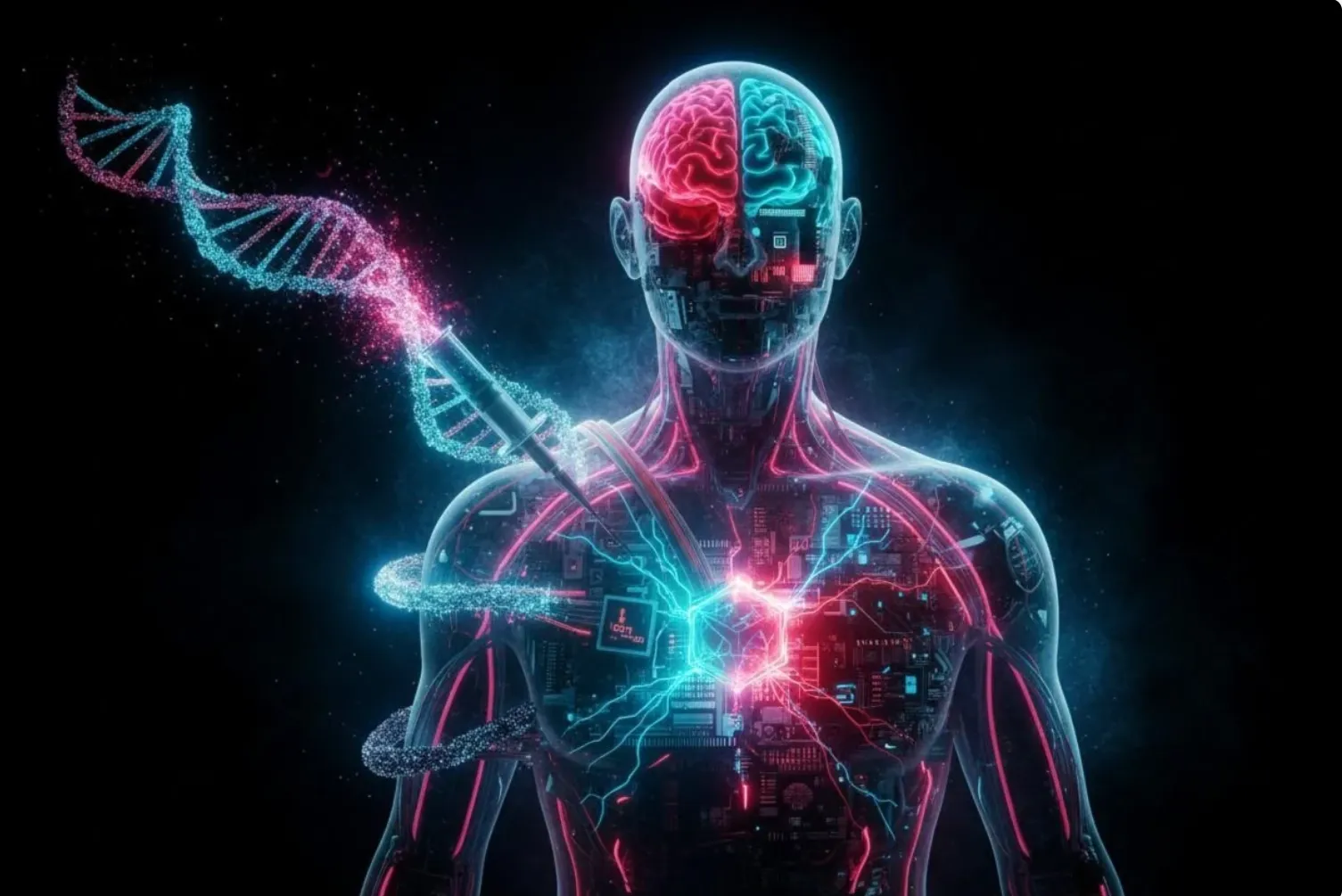
Humanity has already entered a new technological era in which the boundaries between the digital and biological worlds are increasingly blurred. The convergence of artificial intelligence, synthetic biology and human-body engineering promises major advances in medicine, but also raises fundamental questions about privacy, human dignity and the potential misuse of powerful biological technologies.
The Convergence of AI and Synthetic Biology
Synthetic biology is undergoing rapid development, driven in part by advances in artificial intelligence. In 2025, researchers from Stanford University and the Arc Institute reported using AI to generate functional viral genomes, marking a significant step toward using generative models to design biological systems.
The development highlights the dual-use nature of such technologies. The same tools that can help design therapeutic proteins could potentially be misused to design harmful biological agents. A review published in Nature has warned that the convergence of AI and synthetic biology could lower the level of expertise required to carry out certain biological engineering tasks, increasing the need for effective oversight.
The Risk of AI-Enabled Biological Threats
Biosecurity experts warn that AI could accelerate the development of biological agents with harmful properties. As genetic engineering and synthetic biology become increasingly accessible, the distinction between legitimate research and capabilities that could be weaponized may become harder to maintain.
These concerns extend beyond traditional biological threats. AI-assisted design tools, automated laboratories and increasingly accessible biological equipment could create new pathways for the deliberate or accidental creation of harmful organisms, making stronger screening, monitoring and governance essential.
Neural Interfaces and Neurohacking
Neural interfaces represent another frontier in the convergence of technology and biology. In 2024, Neuralink implanted a brain-computer interface in a human participant, an achievement that could help advance treatments for neurological disabilities while also raising questions about the security and privacy of neural data.
As such technologies become more widespread, cybersecurity risks could also grow. Researchers have explored the possibility of intercepting or manipulating neural signals, raising concerns about unauthorized access to brain-computer interfaces and the potential consequences of attacks on devices used for medical treatment.
From Medical Treatment to Dual-Use Technology
The rapid development of technologies such as mRNA-based therapeutics, gene engineering and neural interfaces illustrates the broader challenge. Technologies initially developed to treat disease can have applications beyond medicine, making careful assessment of safety, privacy and dual-use risks increasingly important.
The greatest concern may lie not in any single technology, but in their convergence. AI capable of designing biological systems, biotechnology capable of delivering biological products and neural interfaces capable of interacting with the human brain could together create capabilities unlike anything previously available.
The Governance Gap
Experts argue that technological governance is struggling to keep pace with these developments. Existing international frameworks address some risks associated with dual-use life sciences, but emerging AI-enabled biological design tools create new gaps that may require updated standards and oversight mechanisms.
Proposed approaches include “ethics by design,” functional screening of biological systems and hybrid governance models that bring together governments, technology developers, scientists, biosecurity experts and the wider public.
The convergence of AI and biotechnology nevertheless carries enormous potential, including precision medicine, new treatments for previously difficult diseases, faster drug discovery and tissue regeneration. The challenge is to ensure that these benefits are pursued alongside strong safeguards.
The central question is therefore no longer simply whether science can develop these technologies, but whether and under what conditions it should.
The future may bring unprecedented medical progress, but responsible governance, transparency and respect for human dignity will be essential to prevent technological progress from creating new threats to individuals and society.