Iravani: “maritime disruptions stem from US aggression, not Iran”
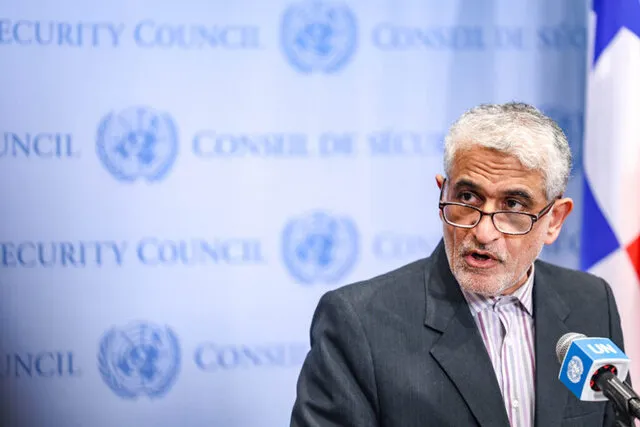
Iran’s ambassador to the United Nations, Amir Saeid Iravani, defended Tehran’s maritime conduct during a high-level Security Council debate on the safety of waterways, rejecting allegations against Iran as baseless and politically motivated.
Iravani said claims made by several delegations had no legal foundation and were intended to distract from what he described as unlawful actions by the United States and its allies.
He argued that current maritime tensions stem from what he called a large-scale military campaign launched by the US and Israel against Iran, which he said has violated international law and the UN Charter.
According to Iravani, these actions have undermined maritime security and freedom of navigation while increasing risks to regional and global stability.
He also alleged that the Strait of Hormuz has been used to facilitate military operations against Iran, including the transfer of weapons, warning that such developments have significantly increased risks to commercial shipping.
The Iranian envoy further accused the United States of imposing what he called a maritime blockade, seizing Iranian vessels, and detaining crews, describing these measures as unlawful and comparable to piracy and acts of aggression under international definitions.
He called on the Security Council to condemn these actions, ensure accountability, and demand the immediate release of Iranian vessels and their personnel.
Iravani stressed that Iran, as a key coastal state in the Strait of Hormuz, has taken lawful and necessary measures to ensure safe navigation and prevent the misuse of the waterway for hostile purposes.
He added that these steps are based on Iran’s rights under maritime law and national regulations, aiming to balance security concerns with the continued flow of international shipping.
The ambassador also noted that Iran is not a party to the 1982 UN Convention on the Law of the Sea, but said it still adheres to customary international legal principles.
Criticizing some Security Council members, Iravani accused them of double standards and of ignoring what he described as unlawful US actions while raising selective concerns about maritime safety.
He concluded by stating that any disruption to shipping in the Persian Gulf, the Gulf of Oman, or the Strait of Hormuz would be the direct responsibility of the United States and its supporters, whom he blamed for escalating tensions in the region.
The Strait of Hormuz, a strategic chokepoint between Iran and Oman, carries around one-fifth of global oil consumption, making its security a critical international concern.