Study links brain activity to memory retrieval
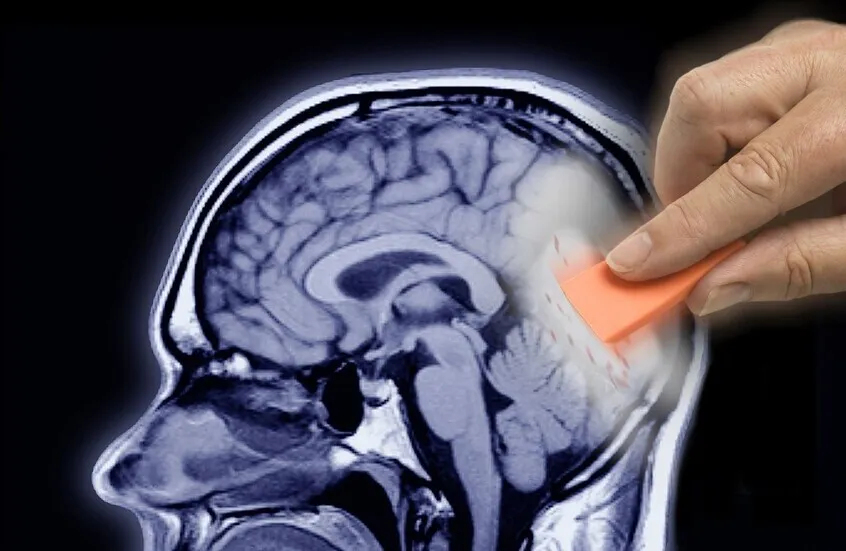
Researchers led by Professor Hiroshi Nomura of Nagoya University in Japan found that the brain's functional state may influence access to stored memories. According to Nomura, the ability to remember information later—either spontaneously or with the help of a cue—suggests that the memory itself may remain intact even when it cannot be retrieved immediately.
The research team, in collaboration with scientists from Hokkaido University and Kumamoto University, investigated how the activity of histamine-producing neurons affects access to stored information.
In the experiments, mice were trained to associate an auditory signal with a reward of sweetened water. After learning the task, the animals began licking the water spout as soon as they heard the sound, anticipating the reward.
The researchers found that the activity of histaminergic neurons fluctuated gradually during wakefulness rather than remaining constant. When the auditory cue was presented during periods of heightened neuronal activity, memory-related retrieval behavior increased by approximately 40 percent compared with periods of lower activity.
Nomura said the findings could offer a possible explanation for the familiar "tip-of-the-tongue" phenomenon, in which a person knows a word or name but cannot recall it immediately. However, he cautioned that the study did not directly examine name retrieval, meaning the results cannot yet confirm whether forgetting in humans is primarily caused by difficulties in accessing memories rather than by the loss of the memories themselves.
He added that while the findings provide a broader framework for understanding temporary retrieval failures, further research is needed to determine whether the same neural mechanism operates in humans and to clarify how changes in memory retrieval over time are linked to histamine signaling and broader patterns of brain activity.