Innovative laser technique preserves ejaculation in prostate treatment
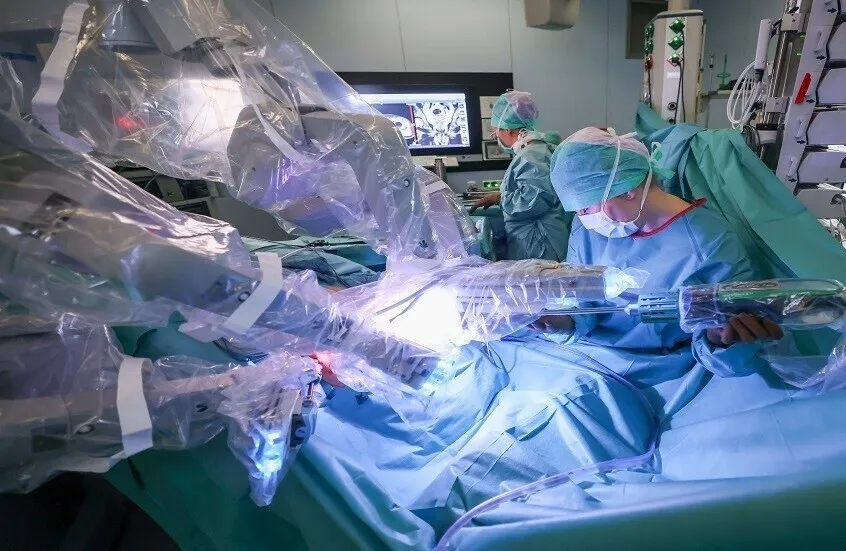
The institute announced that it has become the first medical institution in Russia to obtain a patent for this surgical approach, which focuses on maintaining sexual and reproductive function in patients undergoing treatment for prostate enlargement.
The technique, developed by university specialists, is based on a minimally invasive laser enucleation method (MiLEP) using a 22 Ch surgical instrument combined with a thulium fiber laser.
It involves early resection of the apex of the adenomatous prostate tissue while preserving a portion of the enlarged tissue at a distance of 1.5 cm from the seminal colliculus, thereby reducing damage to the urethra and lowering the risk of stress urinary incontinence after surgery.
According to urologist and researcher Vladislav Petov, the method was tested on 15 patients, with results showing preservation of natural ejaculation in 60% of cases—comparable to global outcomes from standard ejaculation-sparing procedures.
Petov added that further clinical studies are underway to refine the technique and compare it with other minimally invasive approaches used in the treatment of benign prostatic hyperplasia, as researchers aim to improve both functional outcomes and surgical safety.