Experimental therapy shows promise against age-related brain inflammation
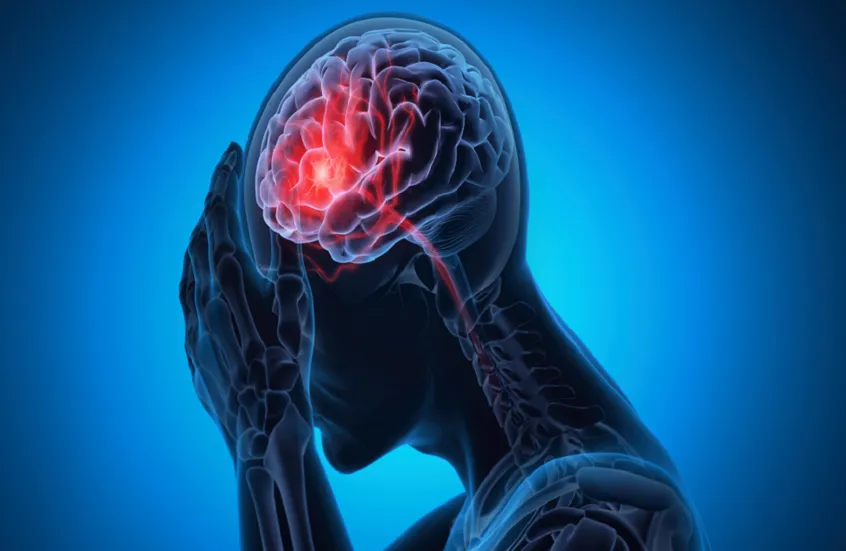
Researchers involved in the study explained that aging is often accompanied by a state of chronic low-grade inflammation in the brain, which has been associated with deteriorating memory and cognitive function. To address this issue, they developed a nasal spray containing extracellular vesicles—microscopic particles that carry therapeutic molecules—and tested the treatment in laboratory mice.
Following administration of the therapy, the researchers observed a significant reduction in markers of inflammation and oxidative stress within the hippocampus, a brain region critical for learning and memory. The treated animals also exhibited decreased activity in molecular pathways considered key drivers of age-related neurological changes. At the same time, genes involved in energy metabolism and neuronal protection showed increased activity.
Further analysis revealed that microRNAs carried by the extracellular vesicles, also known as exosomes, suppress biological mechanisms that promote chronic inflammation. In addition, the researchers documented extensive remodeling of immune cells in the brain, particularly microglia, which became less likely to support inflammatory processes.
These biological changes were accompanied by measurable improvements in memory and cognitive performance among the experimental animals. According to the research team, the findings suggest that this therapeutic approach could represent a promising strategy for combating age-related brain degeneration and preserving cognitive health during aging.