Iran blames US and Israel for Strait of Hormuz crisis and global energy instability
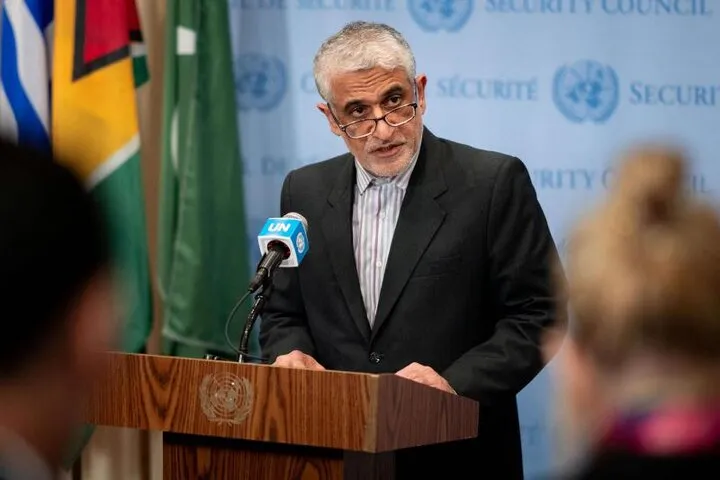
Speaking at a special ECOSOC meeting under the theme “Safeguarding Energy Flows and Supply; Supporting Global Development Through International Cooperation,” Iravani stressed that the international community must address the root causes of energy market instability rather than merely managing its symptoms.
The ambassador outlined how Iran has been directly affected by the crisis. In under a year, the country faced two illegal acts of aggression, in clear violation of the UN Charter and international law.
These attacks, he said, resulted in the deaths of thousands of civilians — particularly women and children — and caused widespread destruction to civilian, economic, energy, and environmentally sensitive infrastructure, with consequences that will persist beyond the military operations themselves.
Iravani identified four main drivers behind the current instability:
Military escalation and aggression by the United States and Israel, which has heightened tensions in one of the world’s most critical energy and trade regions and undermined both regional and global stability.
Direct attacks on Iran’s energy infrastructure, including oil, gas, and petrochemical facilities, which have caused severe economic and environmental damage across the Persian Gulf and disrupted global energy and fertilizer supply chains, affecting food security worldwide.
Unilateral U.S. sanctions and coercive measures, combined with a naval blockade, which have fragmented supply chains and increased volatility in global energy and commodity markets.
The necessity of dialogue and cooperation, as durable regional security cannot be achieved through confrontation or reliance on foreign powers, but requires mutual respect, sovereignty, and genuine regional and international collaboration.
Iravani reaffirmed Iran’s commitment to constructive engagement to restore stability, energy security, and normal conditions in the Strait of Hormuz — contingent upon the cessation of aggression and lifting of the naval blockade.
“Peace is not achieved through pressure, and stability is not built through confrontation,” he said. “The only sustainable path forward is dialogue, mutual respect, and genuine international cooperation.”
Concluding his address, Iravani stated: “The current situation in the Strait of Hormuz and its global economic consequences are solely and entirely the responsibility of those who initiated the war against Iran and their regional partners.”