Study identifies more than 900 chemicals linked to breast cancer risk
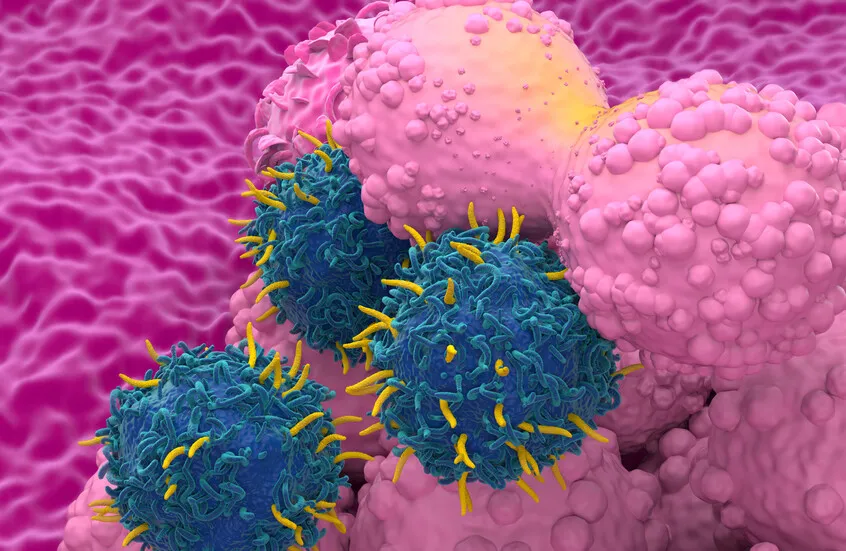
Researchers noted that exposure to some of these chemicals may begin years, or even decades, before the disease develops.
The researchers identified more than 900 chemicals previously linked to a potential risk of breast cancer, including substances that can disrupt hormonal balance and others shown to cause breast tumors in animals.
Among them is malathion, the active ingredient in a common head-lice treatment known as Derbac M, which can be used in children from six months of age.
The list also includes bisphenol A (BPA), used in some plastic containers, beverage cans and payment receipts, as well as methylparaben, a preservative used in moisturizers, shampoos and deodorants.
The researchers analyzed more than 12 U.S. government databases to identify potential sources of exposure to these chemicals. They found that hundreds are still used in everyday products, including building materials and medical equipment.
The study also highlighted benzene, to which people can be exposed through vehicle exhaust and cigarette smoke, and styrene, which is used in some takeaway coffee cups and food-storage containers. Another chemical identified was DEHP, which is used to soften plastics and is found in some medical equipment.
The findings, published in the journal Environmental Health Perspectives, come as breast cancer cases among younger women continue to rise. Cases among women aged 20 to 49 increased by about 10% over the past decade.
Jennifer Kay, the study’s lead author, said people are exposed to hundreds of chemicals from different sources throughout their lives, and the effects of this exposure may accumulate over time. She added that breast cancer can take years to develop, meaning that reducing exposure to potentially harmful chemicals, particularly early in life, could form part of prevention efforts.
The researchers said the findings also point to a potential gap in regulatory systems, as safety assessments often focus on individual chemicals rather than considering the potential effects of exposure to mixtures of different substances.
However, the study does not establish that exposure to any of these chemicals inevitably causes breast cancer, and the disease is not linked to a single specific cause. Known risk factors include older age and family history, as well as factors such as alcohol consumption, smoking, excess weight and exposure to certain hormones.