Beneficial bacteria turned into cancer killers inside tumors
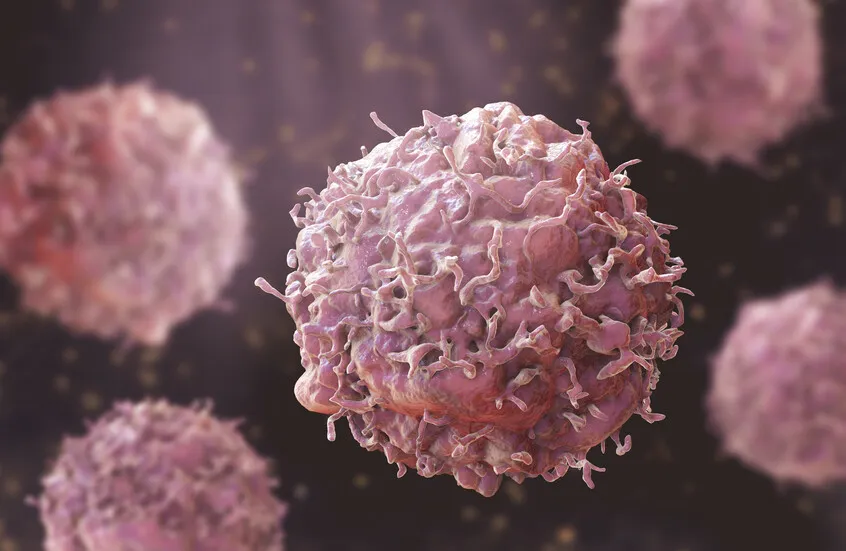
Experiments in mice with colorectal cancer showed promising results: three of seven tumors disappeared completely, while the growth of other tumors not directly targeted by the bacteria also slowed.
Although the findings are still preliminary, they could pave the way for more precise cancer treatments that target tumors while reducing damage to healthy tissues.
Tumor-targeting bacteria
One of the major challenges in cancer treatment is distinguishing cancer cells from healthy tissue.
Chemotherapy can destroy cancer cells, but it spreads throughout the body and can cause widespread side effects. Immunotherapy, which stimulates the immune system to attack tumors, can sometimes also cause the immune system to target healthy tissues, leading to inflammation and serious complications.
Scientists are therefore seeking ways to deliver treatments directly to tumors.
In the new study, a team led by immunologist Nicholas Arpaia of Columbia University used a beneficial bacterial strain known as Escherichia coli Nissle 1917, a non-pathogenic strain used in some probiotic products.
Some types of bacteria have the ability to reach and multiply inside tumors because the tumor environment can be low in oxygen and rich in nutrients, while local immune responses are relatively weak.
When the researchers injected the bacteria into mice bearing colorectal tumors, the bacteria rapidly disappeared from most organs but accumulated inside the tumors. After five days, their numbers exceeded one billion bacterial cells per gram of tumor tissue.
Producing chemotherapy inside tumors
After confirming that the bacteria could reach tumors, the researchers genetically modified them to produce an enzyme called cytosine deaminase.
The enzyme converts 5-fluorocytosine (5-FC), a relatively low-toxicity compound, into 5-fluorouracil (5-FU), a widely used chemotherapy drug for colorectal cancer.
This approach allows 5-FC to be administered to the body and then converted into chemotherapy inside tumors where the bacteria are located, rather than administering 5-FU directly throughout the body.
However, initial experiments revealed an unexpected problem: the bacteria produced 5-FU and then destroyed part of it themselves. This was caused by natural genes in E. coli, known as preTA, which help the bacteria break down the drug.
The researchers deleted these genes, improving the effectiveness of the treatment.
Adding an immune weapon
The researchers did not stop at producing chemotherapy. They found that the treatment activated immune cells that attack cancer, but it also prompted tumors to develop mechanisms to resist the immune response, including increased levels of the immune-suppressing protein PD-L1.
The researchers therefore further modified the bacteria to produce two additional compounds: a superagonist of IL-15, designed to activate anti-cancer immune cells, and a nanobody that blocks PD-L1, helping remove one of the barriers tumors use to suppress the immune system.
The modified bacteria thus acted in three ways simultaneously: producing chemotherapy inside the tumor, activating the immune system and disrupting one of the tumor's mechanisms for resisting immune attack.
Three tumors disappeared completely
When the approach was tested in mice, combining these mechanisms produced better results than using bacterial chemotherapy or bacterial immunotherapy alone.
Three of seven tumors disappeared completely, representing a 43% response rate.
Notably, the effect was not limited to tumors that received direct treatment. In some mice, researchers implanted tumors on both sides of the body and treated only one tumor. Growth of the untreated tumor also slowed, despite the absence of the modified bacteria.
The researchers believe this finding indicates that the treatment triggered a broader immune response against the cancer.
Promising but early findings
However, significant work remains before the treatment can be tested in humans. The study was conducted in mice and involved a limited number of tumors. The experiments also relied on direct injection of the bacteria into tumors, an approach that may not be suitable for all patients or cancer types.
The researchers will need to test the approach in more complex models that better mimic human cancers, while also developing safe and effective ways to deliver the bacteria to tumors.
Nevertheless, the study presents a new approach to cancer treatment based on using live bacteria to deliver chemotherapy directly to tumors while simultaneously stimulating the immune system to attack them. This strategy could eventually help reduce the side effects associated with conventional cancer treatments.