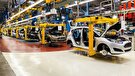
Innovative nanotechnology solutions extend the lifespan of buildings and vehicles
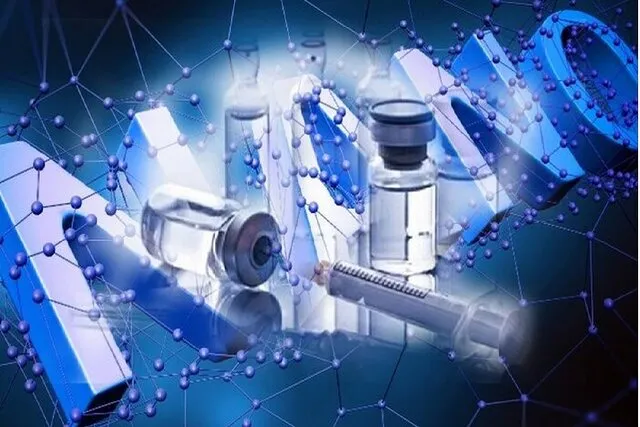
A technology-driven company specializing in nanotechnology has introduced a portfolio of certified nano-scale products designed for the automotive and construction industries.
Developed through extensive scientific research and partnerships with university specialists, these solutions aim to improve surface protection, increase service life, and optimize maintenance processes across multiple applications.
A significant portion of the company's innovations targets the automotive sector, which continuously faces challenges related to protecting vehicle bodies, components, and systems from environmental factors.
Among the company's key products is a nano-based car washing solution engineered to remove surface contaminants while preventing the re-accumulation of dust and airborne particles on vehicle exteriors.
Its antistatic properties reduce the adhesion of pollutants, helping vehicles maintain a cleaner appearance for longer periods. In addition, the technology significantly lowers water consumption, making it particularly valuable in water-scarce regions or locations with limited access to water resources.
Another automotive maintenance product is a nano-enhanced cleaner and polish designed for tires, wheel rims, and dashboards. Beyond improving appearance, the product provides a protective layer that prevents contaminants from penetrating surfaces, thereby facilitating cleaning and maintenance. Continuous use of such coatings can also help reduce wear, aging, and cracking caused by environmental exposure.
The company has also developed a nano-based engine cleaning solution for technical vehicle maintenance. Vehicle engines are routinely exposed to oil, dust, grease, and moisture, requiring regular cleaning.
The newly developed formulation effectively removes accumulated contaminants without requiring water-based rinsing. This feature simplifies maintenance procedures while reducing the risk of corrosion and rust formation associated with residual moisture in metallic engine components.
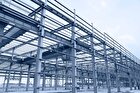
In addition to automotive applications, the construction sector represents one of the company's primary markets. Weather conditions, humidity, pollution, and solar radiation are among the most significant factors contributing to the gradual deterioration of building materials and structural integrity. As a result, the development of advanced protective materials has become increasingly important.
One of the company's construction products is a nano-engineered hydrophobic cement mortar that prevents water and moisture penetration into underlying structural layers. At the same time, it minimizes the accumulation of dirt and dust on exposed surfaces.
The product is particularly beneficial in humid and rainy regions, where it can help prevent the growth of moss, algae, and other biological agents that contribute to material degradation.
Another innovation is a protective coating formulated with polyurethane and nanoparticles. Designed to enhance resistance against moisture, corrosion, and environmental stressors, the coating can be applied to a wide range of surfaces, including metal structures, industrial equipment, storage tanks, and urban infrastructure. Its ability to provide simultaneous protection against water-related damage and harsh weather conditions can significantly reduce repair and maintenance costs.
Some of the company's advanced coatings also offer thermal insulation properties in addition to corrosion resistance. By reducing heat transfer through structures, these materials contribute to more stable indoor temperatures and improved energy efficiency. Such capabilities are particularly valuable in hot climates and for structures exposed to intense solar radiation.
One of the most notable shared characteristics of the company's products is their antistatic performance. This feature minimizes dust accumulation on various surfaces, making cleaning and maintenance easier and less frequent. Furthermore, the adoption of nanotechnology-based solutions can extend the operational lifespan of equipment and structures while reducing the need for repairs and repetitive maintenance activities.
Resource conservation represents another major advantage of these technologies. Several automotive solutions can be used entirely without water, reducing water consumption while eliminating problems associated with excess moisture.
This capability is particularly significant at a time when sustainable water management has become a critical challenge in many regions.