Iran launches 345-MW high-efficiency steam unit at roudshoor plant
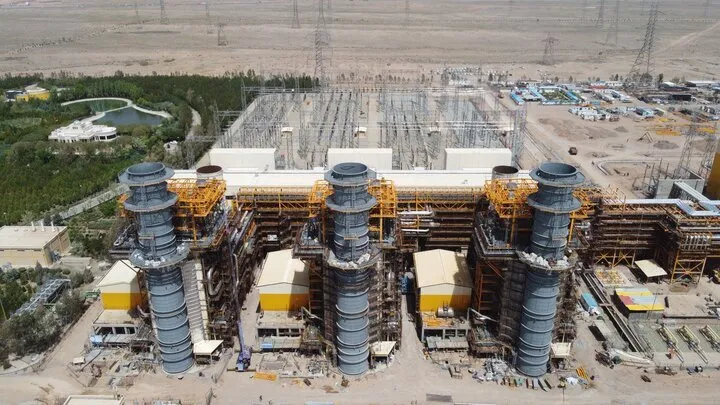
The advanced steam unit was launched on Tuesday, June 16, 2026, during a virtual ceremony attended by Iran’s Minister of Energy, Abbas Aliabadi.
According to Azim Etemadi, CEO of the Thermal Power Generation Company, the project is designed to increase electricity production and meet rising demand, particularly in Tehran province and surrounding central regions. It also aims to enhance the efficiency of existing gas-fired power plants by converting them into combined-cycle systems.
Etemadi stated that the project was implemented with an investment of €275 million and features a first-of-its-kind 1-3-3 configuration in Iran, integrating three gas turbines, three heat recovery boilers, and one steam turbine into a unified system.
He added that the completion of the steam unit has increased the total installed capacity of the Roudshoor power plant to 1,134 megawatts. By utilizing waste heat from gas turbines to generate additional electricity without extra fuel consumption, the project is expected to save around 700 million cubic meters of natural gas annually.
The CEO further noted that the new unit will raise the plant’s overall efficiency to approximately 57 percent. Given its strategic location near Tehran and Markazi provinces—major electricity consumption hubs—the facility is expected to contribute significantly to grid stability and voltage quality across the regional power network.
Project documents indicate that the steam section was developed under Clause 19 of Iran’s 2013 national budget law through a buyback contract model.
The Amirkabir Power Generation and Expansion Company acted as the project owner and investor, while the Thermal Power Generation Company served as the implementing body, with financing support from the National Development Fund.
The MAPNA Group served as the main contractor for construction. Under the agreement, the investment cost will be repaid through the monetary value of fuel savings generated by the plant’s improved operational efficiency.