Study links head injuries to increased risk of brain cancer mortality
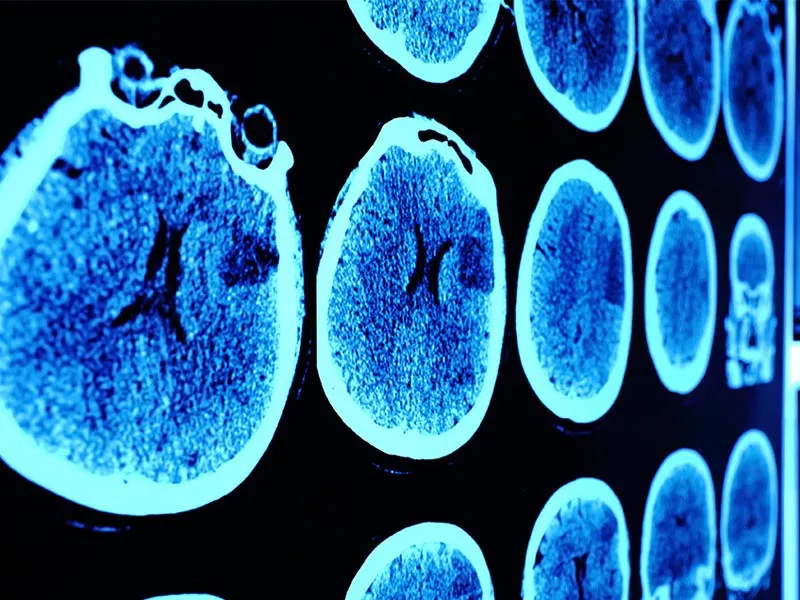
Researchers have reported evidence suggesting a strong association between head injuries and an elevated risk of brain cancer-related mortality. The findings are based on an analysis of data from more than 20,000 patients who sustained skull and brain injuries between 1987 and 2024.
The study compared the number of brain cancer deaths among individuals with traumatic brain injuries (TBIs) to the expected mortality rates in the general population, while accounting for factors such as age, sex, ethnicity, and follow-up duration.
According to the results, individuals who experienced head trauma were 1.75 times more likely to die from brain cancer than would be expected in the general population. The highest risk was observed among patients who suffered gunshot wounds to the head, whose likelihood of dying from brain tumors was more than 14 times greater than that of unaffected individuals.
Researchers also identified elevated mortality rates among patients with certain forms of complicated mild traumatic brain injury, suggesting that even less severe brain trauma may have lasting biological effects.
The study's authors believe that chronic inflammation triggered by injury-related damage to brain tissue may play a central role in explaining the observed association. Such inflammatory processes can persist for years after the initial trauma, potentially contributing to tumor development or progression.
The findings underscore the importance of viewing traumatic brain injuries not only as acute medical events but also as conditions that may influence long-term neurological health and cancer risk.
The results are consistent with previous research conducted by scientists at the UCL Cancer Institute, which suggested that head injuries may contribute to the development of glioma, a rare and highly aggressive form of brain cancer.