Fish collagen hydro gel shows promise in accelerating wound healing
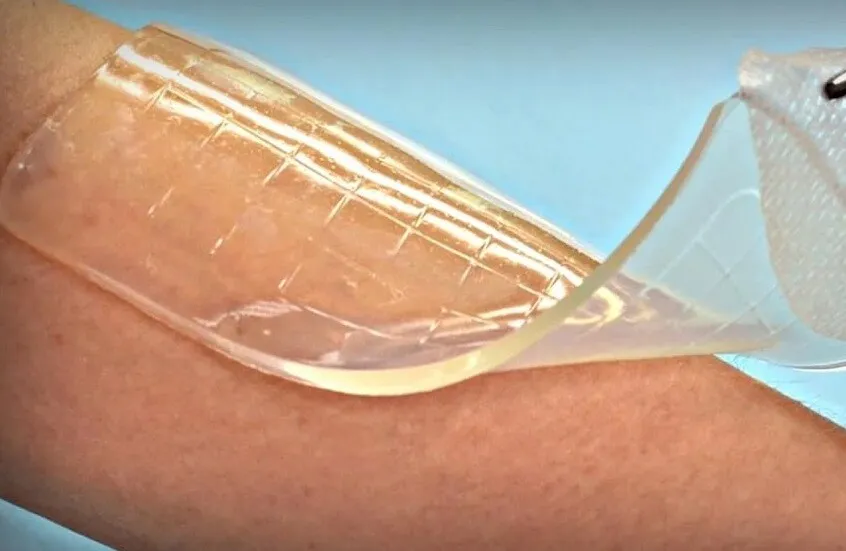
Researchers from the Institute of Chemistry at Lobachevsky State University in Nizhny Novgorod have developed an innovative hydrogel dressing derived from cod fish collagen that significantly improved the healing of thermal burns in laboratory animals.
The study, published in the journal Polymers, found that all treated mice achieved complete tissue recovery within 28 days, with fur regrowth observed in the injured areas, indicating effective skin regeneration.
According to the research team, the new dressing outperformed commercially available bovine collagen dressings in both the speed and quality of wound healing.
Dr. Lyudmila Semenicheva, head of the Petrochemistry Research Laboratory at the Institute of Chemistry, explained that cod collagen is structurally more similar to human collagen than bovine collagen.
This similarity allows it to integrate more effectively with skin tissue, promote faster blood clotting, and provide natural antibacterial and antifungal properties, enabling the dressing to be used without prior sterilization, even in field conditions.
The researchers believe the technology could have broad applications in the treatment of burns, chronic ulcers, surgery, military medicine, sports medicine, and veterinary care.
The hydrogel is produced using an innovative photoactivation process based on free-radical chemistry, a method classified as "green chemistry."
The manufacturing process is carried out at room temperature under natural light, eliminating the need for heat or radiation. The photoactive compound also gives the hydrogel additional antimicrobial properties that help suppress the growth of pathogenic microorganisms.
The research team plans to continue preclinical testing with the aim of introducing the technology first into veterinary practice before expanding its application to human medicine.