Muscat and Diplomacy as an Extension of National Power
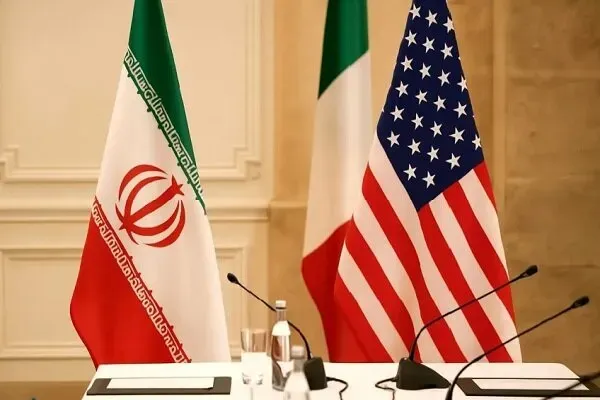
This time, Muscat is more than a geographic destination; it is a stage where wills intersect, sincerity is tested, and strategies are weighed. The arrival of Iran’s foreign minister in the Omani capital carries a clear message: Tehran has chosen dialogue not out of desperation, but by choice and with confidence. Contrary to the narratives promoted by hostile media outlets, this is not a retreat—it is the continuation of the Islamic Republic’s strategic rationality.
Iran’s delegation has entered the talks with a carefully calibrated mix of political, legal, and economic diplomats. This composition alone signals that the negotiations are not a symbolic gesture, but a calculated effort to achieve tangible outcomes. On the other side, the presence of figures who appear less like classical diplomats and more like emissaries of Washington’s transaction-driven logic reflects a persistent American uncertainty between “claims” and “commitments.”
Tehran has once again made clear that the scope of the talks is strictly nuclear—excluding regional issues, defensive capabilities, and deterrence components. This red line is not born of obstinacy, but of historical experience showing that opening files beyond the agreed framework leads to diplomatic erosion and exploitation by the other side. By carefully limiting the playing field, Iran aims to ensure that results are not sacrificed to excessive demands.
For Iran, time is not an abstract concept. Time translates directly into people’s livelihoods, economic stability, and the lifting of unjust sanctions. Unlike Western approaches that at times turn negotiations into tools for managing domestic crises, Tehran seeks an agreement that is swift, transparent, and verifiable—one that recognizes Iran’s legal right to enrichment and lifts sanctions not on paper, but in practice.
Muscat: Where Diplomacy Meets Historical Memory
In recent years, the United States has attempted to preserve the initiative through a blend of “diplomacy and threat”—an approach that resembles pressure more than dialogue. Experience, however, has shown that such a dual track has limited effectiveness against a country adept both in diplomacy and in resistance. Without closing the door to talks, Tehran has refused to allow military threats to become leverage for extracting concessions.
Repeated statements by U.S. officials about preventing Iran from acquiring nuclear weapons—if made in good faith—could form a basis for understanding. Iran has consistently stated that it does not seek nuclear weapons and that its activities fall within the framework of international law. From this vantage point, the ball is now in Washington’s court: is the United States prepared to narrow the gap between media rhetoric and practical commitments?
Western media outlets that only recently relied on threatening language and inflated military scenarios have been forced to moderate their tone following Iran’s firm positions and its emphasis on readiness for both diplomacy and defense. This shift amounts to an unspoken acknowledgment that confronting Iran is neither quick nor simple—and that the costs would extend far beyond Iran’s borders.
Any military adventurism would reverberate across the region, particularly affecting countries that host U.S. bases and would find themselves directly exposed to the consequences. Iran presents this reality not as a threat, but as a strategic warning: security is not an imported commodity, and instability recognizes no borders.
Results Over Diplomatic Attrition
Iran’s decision to enter this phase of talks reflects a consensus reached through full coordination with the country’s highest decision-making bodies. This internal cohesion has repeatedly disrupted the calculations of the opposing side. Backed by this consensus, the Ministry of Foreign Affairs approaches the negotiations from a position of strength.
The role of Oman and other regional actors in facilitating the process highlights the potential of regional diplomacy as an alternative to extra-regional intervention. Tehran maintains that regional issues should be resolved by the region itself—an outlook that, if taken seriously, could usher in a new chapter of stability.
What is unfolding in Muscat is not merely a technical discussion about centrifuges; it is a test of American realism. Is Washington prepared to bear the costs of a pressure-centric policy, or will it choose the rational path of lifting sanctions and respecting Iran’s rights? The answer will shape the future of the negotiations.
Iran has entered this test with historical memory and a forward-looking vision—neither rushed nor passive, but guided by a precise calculus of national interests. Muscat could become a gateway out of the current impasse, provided the other side recognizes that it is engaging with a nation fluent both in the language of dialogue and in the logic of steadfastness. Here, diplomacy is not the shadow of weakness; it is an extension of power.