Powdered drug developed to prevent kidney stones in children

Abbas Basiri, head of the Research Institute of Kidney and Urinary Tract Diseases, said the new medication was developed specifically for pediatric patients. He made the remarks in an interview with ISNA on the sidelines of the unveiling of Citrulize-K.
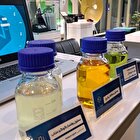
According to Basiri, the formulation had previously been prepared and dispensed as a compounded medication in pharmacies. It contains citric acid and potassium citrate, which help create a suitable urinary environment and prevent the aggregation of crystals that can subsequently grow and develop into kidney stones.
“Scientifically, this combination can be highly effective,” Basiri said. However, he noted that its previous preparation as a compounded medication in pharmacies posed several challenges. The product was typically prepared manually and stored in large bottles, without a standardized manufacturing process.
Because the formulation was prepared differently at different pharmacies, the quality of the final product depended heavily on the personnel involved in its preparation. This variability, Basiri explained, could potentially affect the medication’s effectiveness.
He also pointed to difficulties associated with administering the compounded formulation to children. Its taste was not considered suitable, resulting in poor acceptance among patients, particularly children. Pediatric patients are a sensitive group and cannot simply be forced to take medication, while adherence to treatment is generally more challenging among children than adults.
Transportation and storage were additional concerns for families. The medication could change color over time and required specific storage conditions, creating further difficulties in its use.
Basiri said Citrulize-K was developed to address these limitations and make the treatment more suitable for children. A similar formulation had previously been developed for adults and marketed in tablet form, but the new product was specifically designed for pediatric use.
“We developed the medication in powder form and packaged it in sachets,” he said. “We also modified its taste by adding suitable excipients.” Studies conducted on the new formulation have indicated that the powder is better tolerated and more acceptable to patients.
Basiri stressed that Citrulize-K is intended for the prevention and management of kidney stones and should not be used for the treatment of gallstones.
He added that only a limited number of comparable products are available internationally. While one or two companies had previously manufactured similar formulations, their products are now largely unavailable in Iran. The domestic production of Citrulize-K, he said, could therefore help meet the country’s need for this type of pediatric medication.