Mobile phones and cancer: what does the latest scientific evidence show?
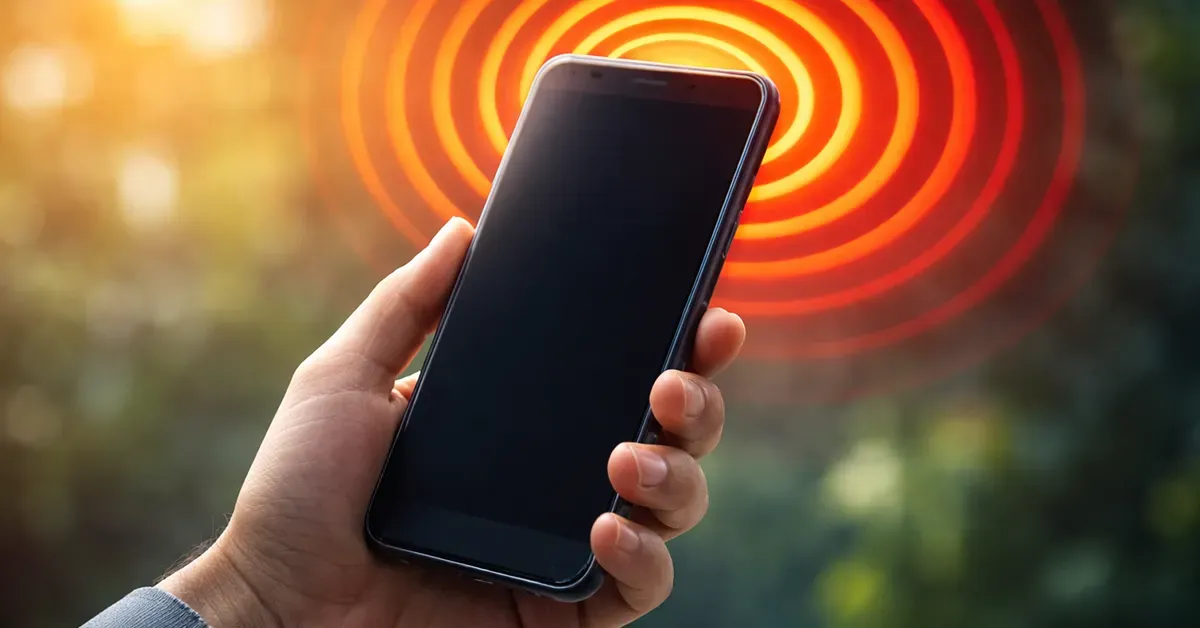
This dramatic transformation in lifestyles has sparked both scientific curiosity and medical concern, prompting a growing body of research into the effects of electromagnetic waves emitted by everyday devices on vital body tissues—particularly the brain, which is held in close proximity to the source of exposure.
Over the past two decades, mobile phones have remained a major focus of scientific research, with particular attention given to their potential association with cancers of the brain, head and neck.
Amid this ongoing debate, a large-scale scientific review commissioned by the World Health Organization (WHO) has offered a comprehensive assessment of the evidence accumulated to date.
How did concerns about electromagnetic waves begin?
Concerns about electromagnetic waves emerged at a time when scientists were still seeking clear answers about their effects on living organisms.
As microwave ovens and television sets entered homes in the mid-20th century, people began to recognize, perhaps for the first time, the presence of an invisible force operating within their immediate surroundings. Although these devices emitted low-energy radiation, public perception gradually embraced the idea that “all radiation is dangerous,” particularly as information spread about the harmful effects of high-energy radiation, such as X-rays, which have been shown to cause cancer-related mutations.
This confusion between different types of radiation, combined with the rapid expansion of wireless technologies, transformed concern into a widespread fear that continues to influence the behavior of millions of people today.
Although subsequent research demonstrated that low-energy waves do not have the ability to break genetic bonds or cause direct cellular damage, the initial lack of scientific understanding left a lasting mark on public awareness.
As mobile phone use expanded dramatically in recent decades, these longstanding concerns resurfaced with renewed intensity, fueled by the devices’ widespread daily use and their constant proximity to the human body.
WHO-commissioned review
In 2019, the World Health Organization commissioned 13 independent scientific teams to conduct comprehensive reviews of the potential health effects of electromagnetic waves. The reviews extended beyond cancer to cover a range of important health issues, including fertility, neurological symptoms such as headaches and tinnitus, and other chronic diseases.
Before the WHO completed its final analysis of these reviews, two researchers published the findings of a review focused on brain cancer. The analysis examined 63 scientific studies published between 1994 and 2022.
The findings were clear: the researchers found no association between mobile phone use and brain cancer or cancers of the head and neck. Even more reassuringly, the absence of an association remained consistent regardless of the intensity or duration of phone use, including among people who had used mobile phones continuously for more than 10 years.
The review also addressed another longstanding concern involving exposure to radio and television waves among children. For decades, there had been fears that such exposure could increase the risk of leukemia in children. The scientific conclusion was similar: no evidence was found of a link between the two.
Researchers emphasize, however, that this type of research is inherently challenging. Observational studies, which do not involve controlled experiments, face considerable difficulty in separating the effects of electromagnetic waves from those of other everyday factors known to influence health, including diet, physical activity, family medical history and socioeconomic status.
For this reason, most of the WHO reviews concluded that the available evidence was not strong enough to support definitive conclusions.
The findings on brain cancer, however, stood out as the strongest among the studies reviewed. One of the most compelling arguments was based on a simple premise: if mobile phones genuinely caused cancer, there should have been a clear increase in the number of cases during the years in which these devices became widespread.
That increase has not occurred. In Australia, for example, brain cancer rates have remained stable since the 1980s—decades before mobile phones became an integral part of everyday life.
This statistical stability, combined with the strength of the available evidence, makes the findings more reassuring and credible.
In the conclusion of their report, the researchers acknowledged a fundamental principle of science: no study can “prove” the absolute absence of any risk, as that would go beyond the limits of the scientific method.
However, they said that after such a large body of research, it can be stated with confidence that no clear evidence has been found linking mobile phone use to any type of cancer of the brain, head or neck.