Nano-Based Disinfectant Solution Accelerates Wound Healing and Reduces Infection
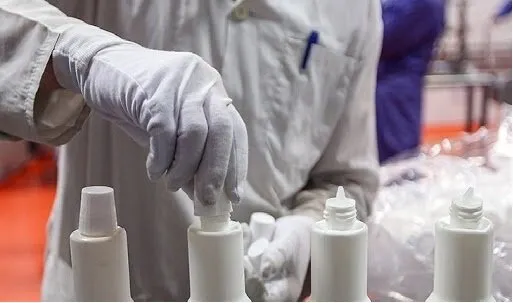
Proper wound cleansing and disinfection represent the first and one of the most critical steps in wound management. When inadequately performed, this stage can lead to infection, inflammation, and prolonged delays in healing. Addressing this challenge, the newly developed wound cleansing and disinfectant solution leverages nanotechnology as an innovative approach to modern wound care.
The product is formulated using controlled concentrations of colloidal silver nanoparticles combined with ethylenediaminetetraacetic acid (EDTA). This formulation enables effective surface cleansing of wounds and significant reduction of microbial burden, while playing a particularly important role in the removal of slough tissue and microbial biofilms—structures that commonly impede the natural wound-healing process.
Owing to their high surface-to-volume ratio, silver nanoparticles interact more effectively with the cell walls of microorganisms, disrupting their structural integrity and exhibiting strong antibacterial properties. As a result, the solution demonstrates efficacy not only against a wide range of bacteria, but also against fungi and the spores of certain viruses.
In parallel, the presence of EDTA enhances the formulation’s performance through its chelating properties, which weaken biofilm structures and facilitate the more effective action of silver nanoparticles. This functional synergy is considered a key strength of the product, distinguishing it from conventional disinfectants.
According to the company, the solution acts rapidly, helping to reduce infection and the unpleasant odors associated with infected wounds. Improved infection control at early stages directly contributes to shortening the overall duration of wound treatment—a factor of significant clinical and economic importance for healthcare systems.
Designed as a topical disinfectant for wound cleansing, the product can be used in clinical settings, specialized wound care centers, and home care environments. Its development represents a practical application of nanotechnology in pharmaceuticals and medical devices, a field increasingly focused on enhancing therapeutic effectiveness while minimizing side effects.