Japan turns coconut waste into jet fuel
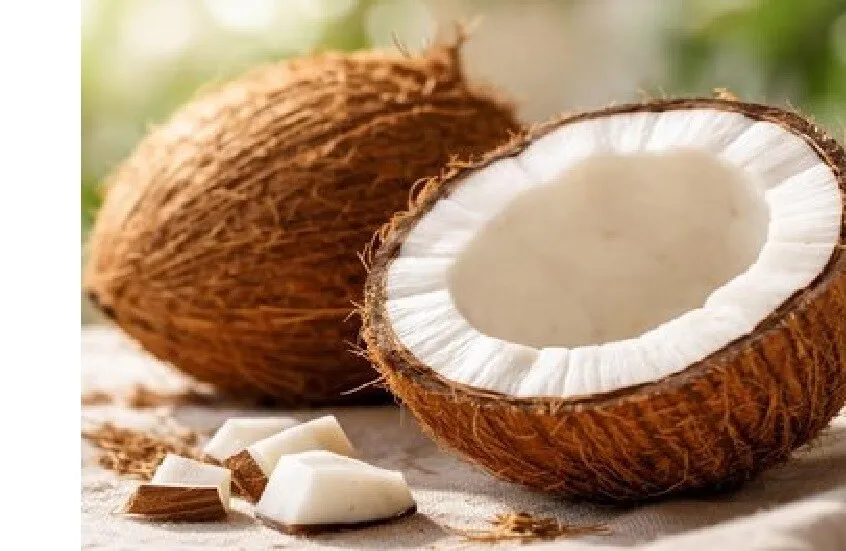
Researchers are constantly seeking environmentally friendly alternatives to conventional fuels. Biofuel made from coconut oil is considered a promising option because its fatty acid molecules are structurally similar to those found in jet fuel, allowing it to be processed with relatively little effort.
A team of researchers from Osaka University in Japan has developed a method for producing this biofuel using a mixture of coconut oil, acetone and either methanol or ethanol. The process operates at ambient temperature and pressure, requires little energy and offers a cleaner and safer production method.
The process produces two types of biofuel — fatty acid methyl esters and fatty acid ethyl esters — which can be blended with conventional Jet A-1 aviation fuel.
The scientists tested different blending ratios to assess their effects on the performance of a small turboprop engine. They found that fuel consumption increased as the proportion of biofuel in the blend rose, likely because of differences in the amount of energy released during combustion.
Despite this, the engine maintained good overall efficiency, coming close to that of conventional fuel. More importantly, hydrocarbon emissions, which are harmful exhaust pollutants, decreased. At the same time, carbon dioxide and nitrogen oxide emissions remained relatively stable, indicating potential environmental benefits.
According to the researchers, the fuel blend could be used in existing aircraft engines without compromising efficiency or increasing pollution. This could be particularly significant for Southeast Asian countries, where coconuts are abundant and around 30 percent of the crop is reportedly discarded because it is unsuitable for sale.
Turning this waste into aviation fuel could therefore help tackle two challenges at once: reducing agricultural waste and addressing energy needs.