One-Sided agreements no longer viable, Ghalibaf tells Washington
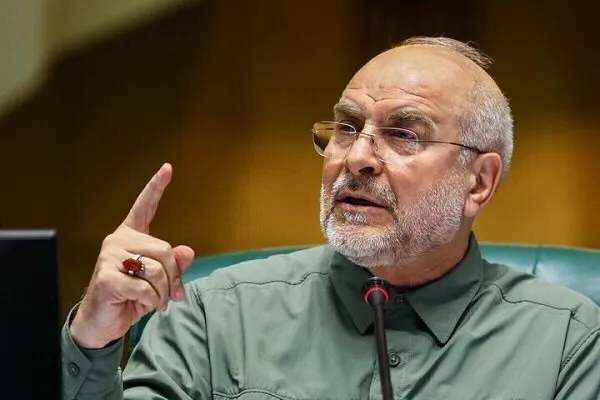
In a post published on X on Sunday, Ghalibaf shared an excerpt from the MoU outlining arrangements for maritime traffic through the strategic waterway. He stressed that international agreements must be implemented by all parties rather than imposed on only one side.
“The era of one-sided deals is over. We warned you to honor your commitments or face the consequences. Now you must confront reality,” Ghalibaf wrote.
The post also included a highlighted section of Article 5 of the Islamabad MoU, which states that, following the signing of the agreement, Iran will use its best efforts to facilitate the safe passage of commercial vessels between the Persian Gulf and the Sea of Oman, free of charge, for a period of 60 days.
Ghalibaf’s remarks came as tensions intensified after the United States resumed military strikes on southern Iran despite the provisions of the Islamabad agreement, which acknowledges Iran’s authority over managing navigation through the Strait of Hormuz.
In response to the renewed US attacks, the Iranian Armed Forces launched a series of coordinated missile and drone operations against American military assets across the region on Saturday night.
The Islamic Revolution Guards Corps (IRGC) said the initial phase targeted strategic facilities at Jordan’s Prince Hassan Air Base before ballistic missiles struck the US Al Udeid Air Base in Qatar. The IRGC also reported attacks on a second vessel described as "offending" in the Strait of Hormuz, in addition to strikes on logistical support and fueling facilities serving US naval forces and aircraft carriers at Oman’s Port of Duqm.
Separately, the Iranian Army announced drone strikes on US military positions in Kuwait and Bahrain, targeting air defense systems, radar installations, communications networks and ammunition depots.
Iranian military officials said the operations were launched after what they described as unlawful US naval movements south of the Strait of Hormuz and subsequent attacks on Iranian coastal military bases and telecommunications infrastructure.